A hotel, a retreat, or a home: three futures
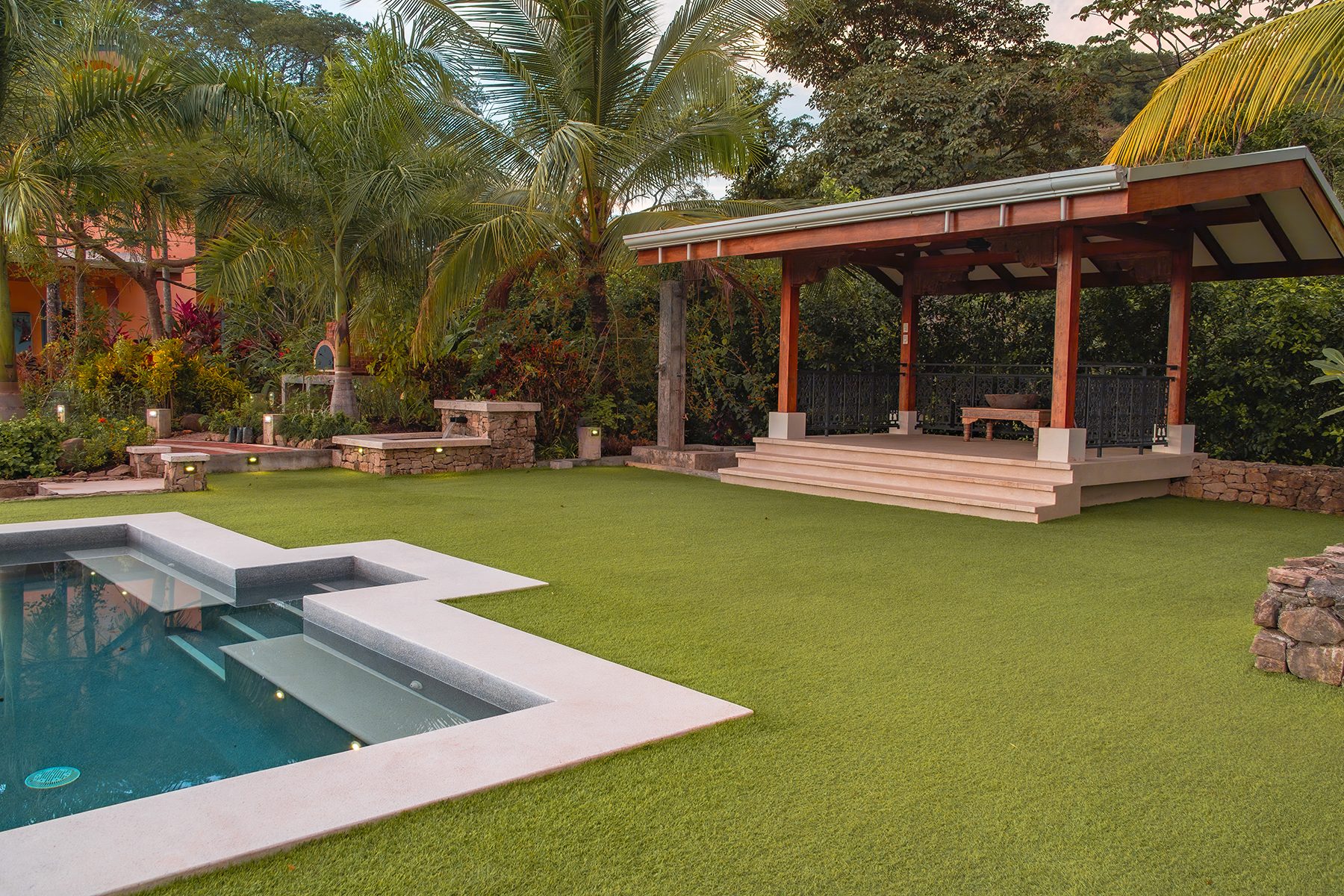
The Sanctuary Estate is currently a private home: 16.3 acres with a two-bedroom residence, an orchard, and twelve years of established planting. It could stay that. It could also become a small hotel or a retreat centre, and buyers have asked about both.
Here is what each would actually take, including the parts that are inconvenient.
As a private home
This is what it is, and the least work.
Two bedrooms, hand-built, with carved Indian doors and furniture. Solar with battery backup plus grid power, fibre and Starlink, a well under a concession that transfers. Ten minutes from Playa Guiones.
The constraint is scale. Two bedrooms is a house for a couple or a small family with a guest, not a compound. A buyer wanting more accommodation would be building, and building on land like this means deciding what you are prepared to disturb.
As a boutique hotel
Possible, and the land carries the story a small hotel would trade on — a catalogued botanical collection, a river, recorded wildlife, an orchard that feeds a kitchen.
The honest constraints:
- Rooms. You would be building most of the accommodation. The existing house works as an owner’s residence or a two-room suite, not as inventory.
- Permits. Construction requires municipal and environmental approval, and river setbacks and slope restrictions shape where anything can go. Budget years, not months, for approvals on a property with a river boundary.
- Access. The unpaved final stretch is a feature for some guests and a complaint for others. It affects the market you can reach.
- Water. Sufficient for a residence and gardens is not the same question as sufficient for a hotel. That calculation would need doing properly before anything else.
The precedent is real, though. The nearby Reserva Biológica Nosara runs exactly this model — a private reserve funded by an attached lodge.
As a retreat or wellness centre
The closest fit to what the land already is, and the market is here: Nosara has been a yoga and wellness destination for two decades, and the estate sits inside the Nicoya Blue Zone, one of five regions worldwide where reaching ninety in good health is ordinary.
The constraints overlap with the hotel: accommodation would be built, and permitting governs where. The difference is that a retreat can run smaller and more seasonally, which lowers the water and infrastructure demand and makes phasing realistic — start with what exists, add rooms as it proves itself.
And a fourth: leave it as it is
Worth naming, because it is the option nobody pitches.
A private reserve with a house on it is a legitimate use of this land, and the mechanisms exist in Costa Rican law to make that permanent. Sixteen acres of established forest on a river, in a valley where landowners are assembling a biological corridor, does real work simply by continuing to exist.
What should a buyer establish first?
In order: what the water will actually support; what the municipality will permit on the slopes and near the river; and whether the road matches the guests you intend to attract. Everything else follows from those three.
The due-diligence list is here.
The short version
The Sanctuary Estate’s 16.3 acres and two-bedroom residence could continue as a private home, become a boutique hotel or a retreat centre, or be kept as a private reserve. The hotel and retreat routes both require building most of the accommodation, municipal and environmental permitting shaped by river setbacks and slope, and a proper assessment of what the water supports. Nosara’s established wellness market and Blue Zone location make the retreat route the closest fit to the land as it stands.
See the property and the residence, or arrange a private viewing.
Related reading
The butterflies of the Nosara river valley
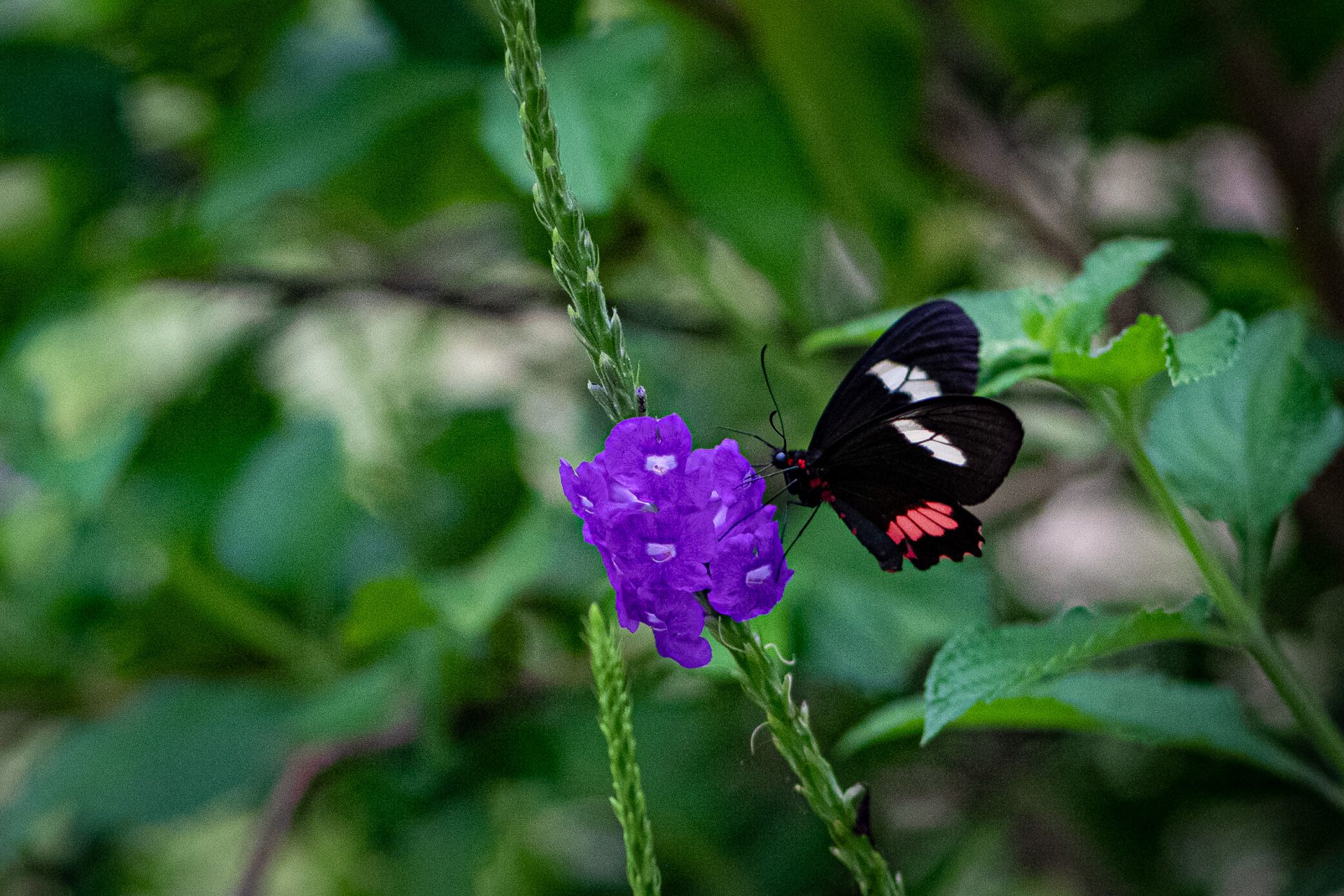
Seven butterfly species photographed on the estate — the red postman, gulf fritillary, long-tailed skipper and a cattleheart — and what they say about the planting.
Where the trees came from
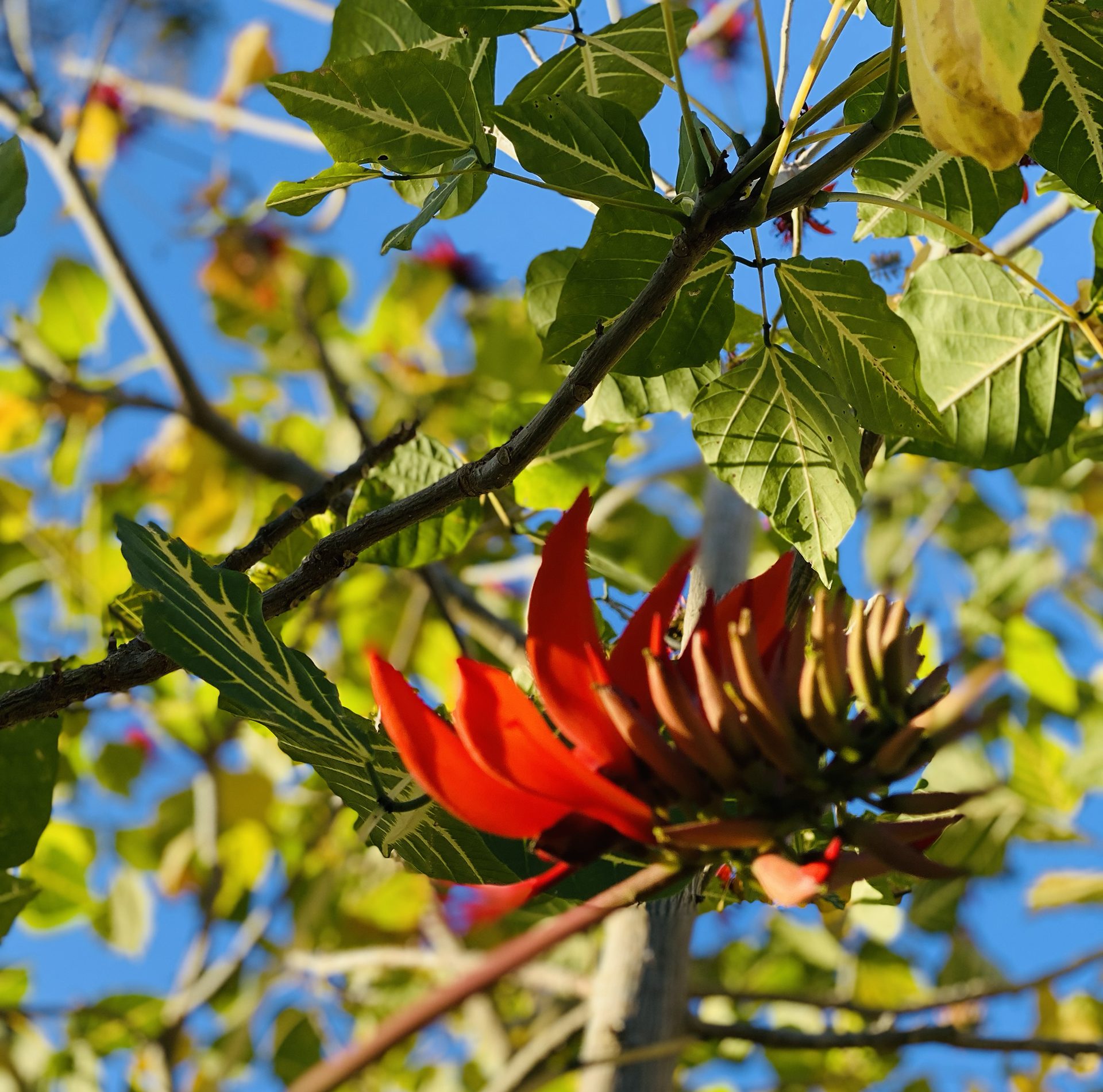
A baobab from Africa, a banyan from India, dry-forest natives from Guanacaste. How a collection of 202 species was assembled on one Costa Rican hillside.