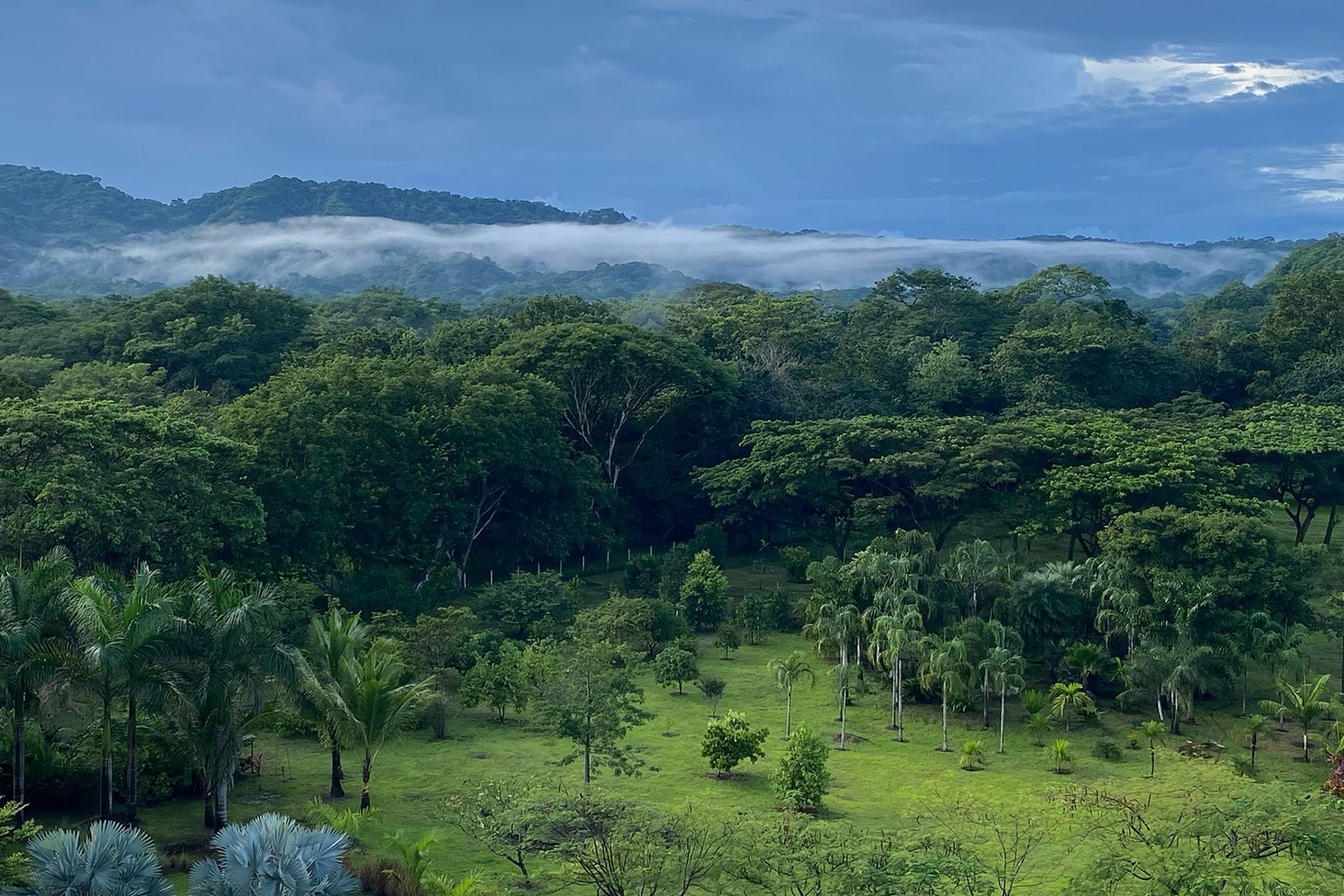
The estate canopy below the mountains at dawn, Nosara, Costa Rica
The gardens · Nosara, Costa Rica

A living museum.

Twelve years of planting on the Nosara River.
The making of the gardens

Twelve rainy seasons.

A garden of this size is not designed and delivered. It is planted one season at a time, by people who intend to stay.

Chapter I 2013

The land as it was.

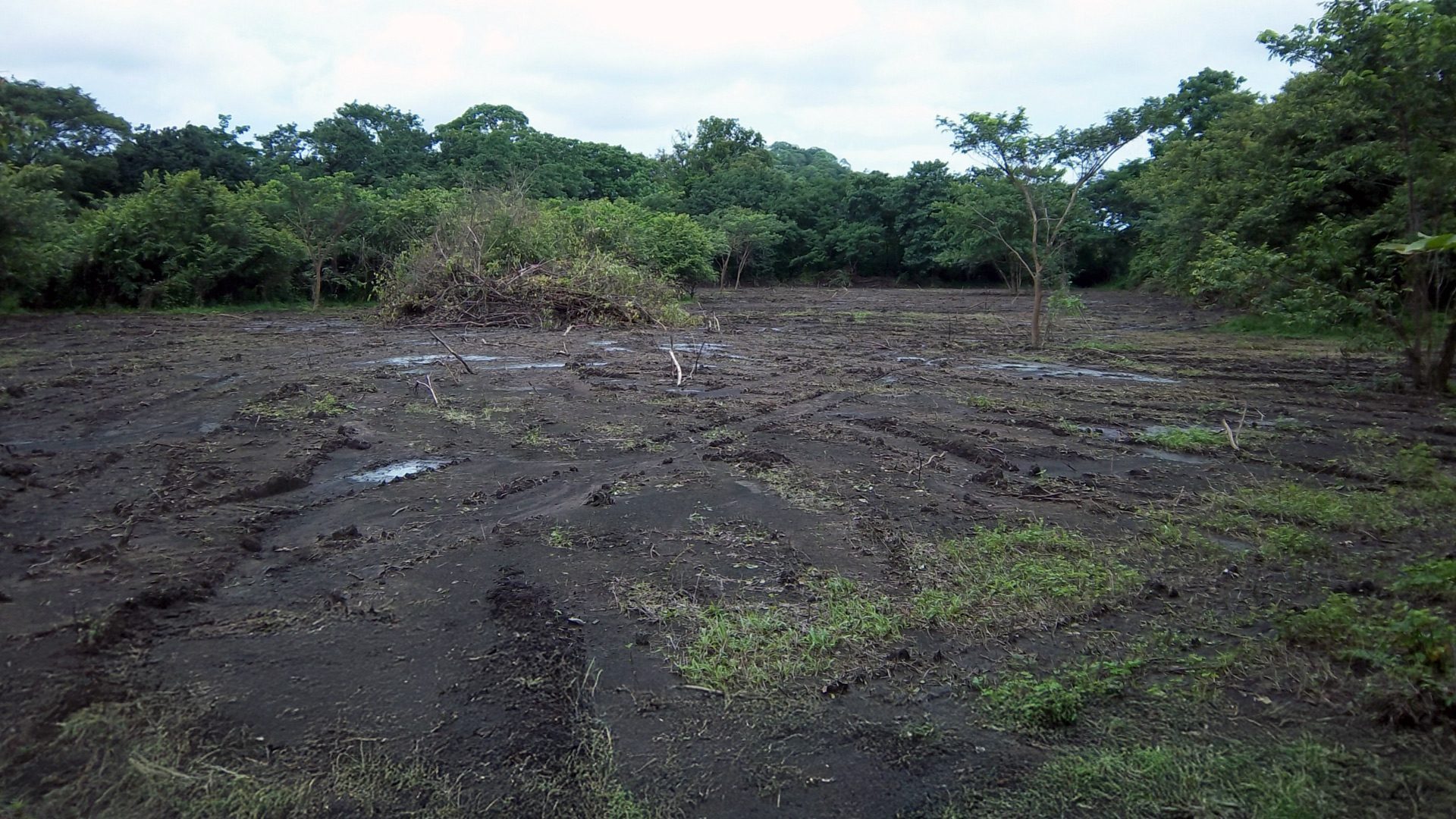
Sixteen acres on the Nosara River, cleared for cattle decades earlier and then left. Like most of Guanacaste, the forest had been taken for pasture, and what grew back was the fast, thin scrub that claims a hillside once the big trees are gone. The river still ran the length of the southern boundary. A few old trees stood where the cattle had wanted shade. Everything else was a beginning.
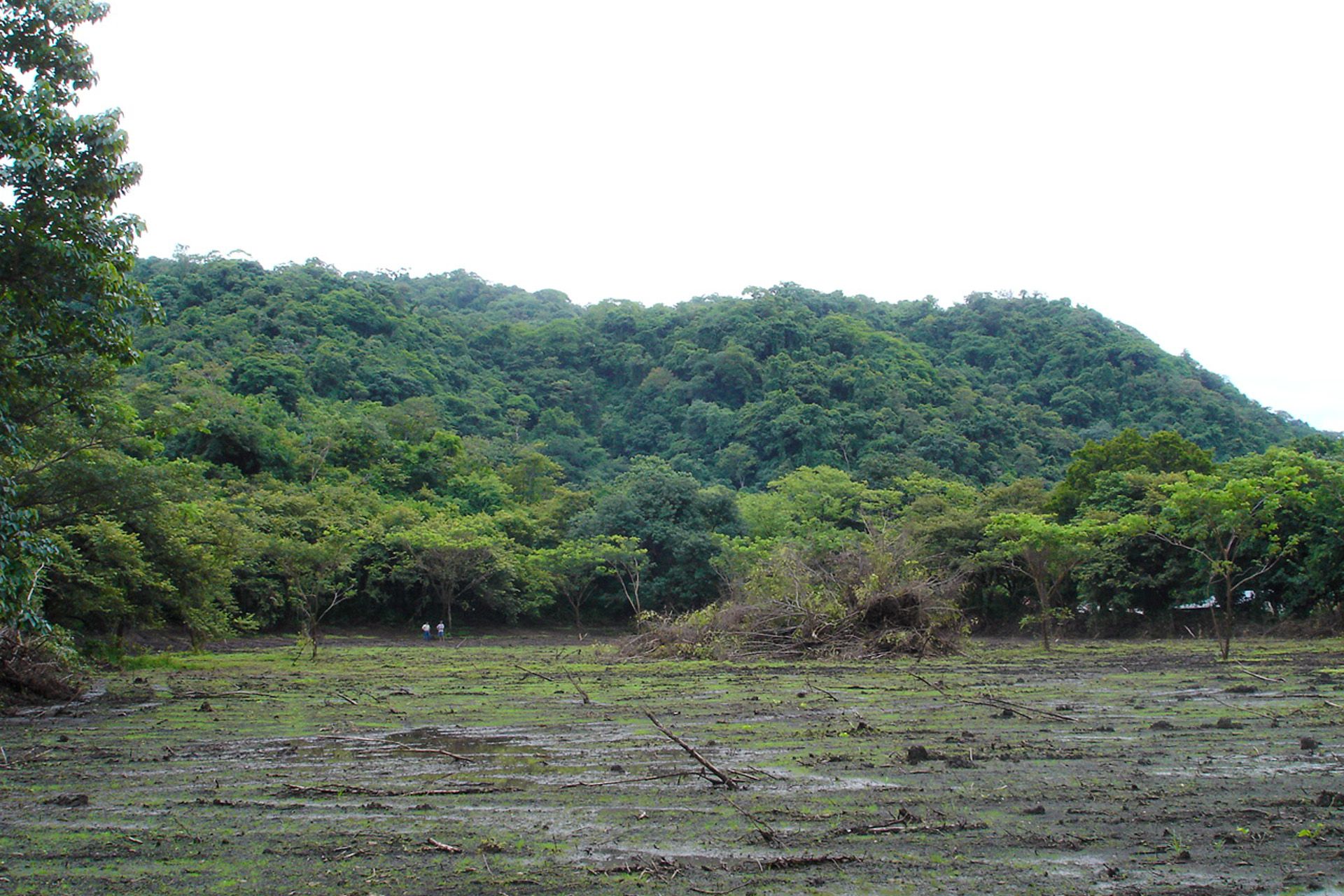
The land before planting: cleared ground and standing water below the forested hill
The land, August 2010
Chapter II 2014

The first tree goes in.

On 27 May 2014, at the start of the rains, Dandapani and his wife Tatiana planted a coconut palm. It was the first tree. The following month, with a friend who had flown in to help, they planted a hundred and nineteen more into ground that was mostly rock and clay, under a sun that gave nothing back. It was the hardest planting the estate would ever make, and it is why the tallest trees here are the age they are.
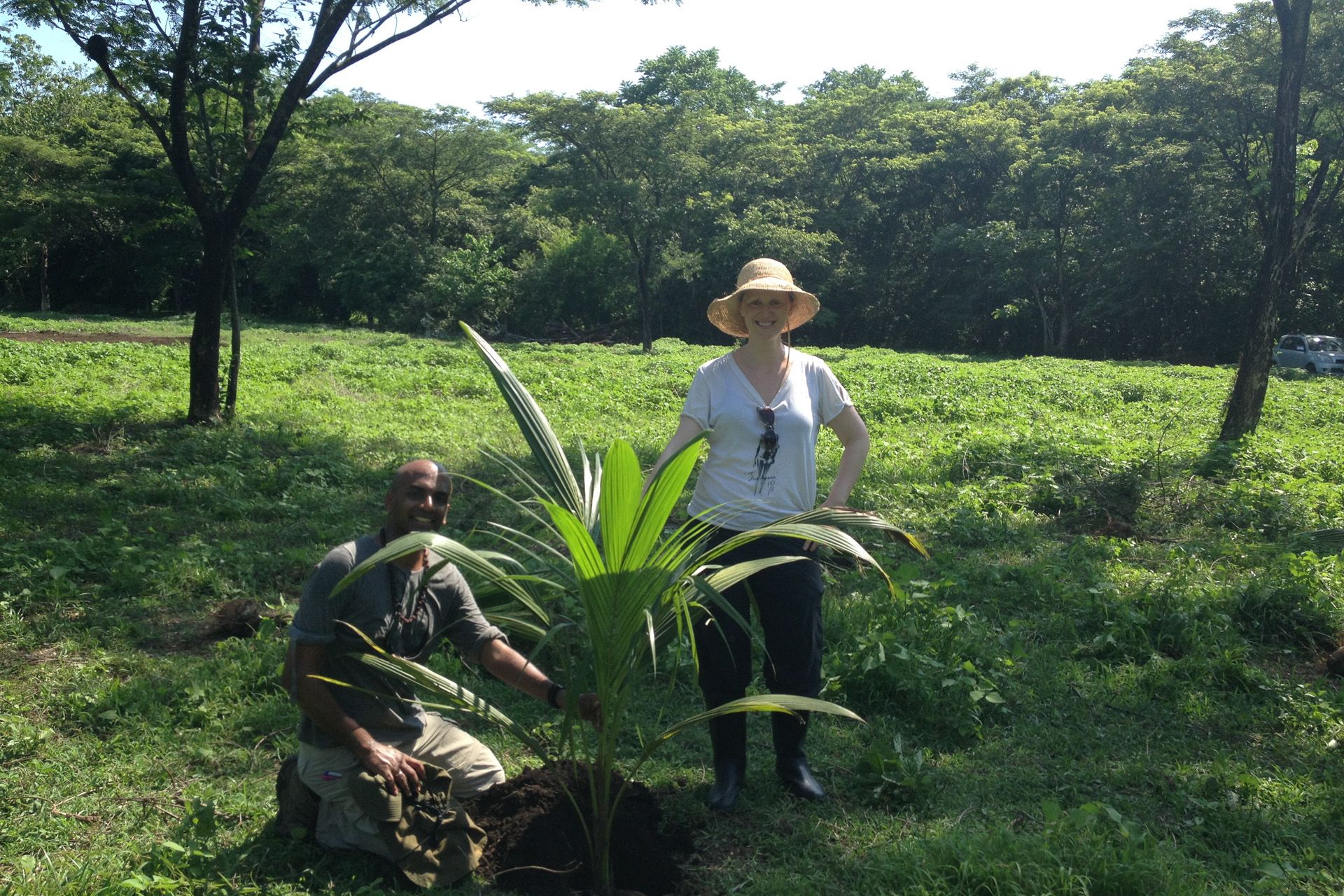
Dandapani and Tatiana with the first tree, a coconut palm, May 2014
The first tree, 27 May 2014
Chapter III 2015

Learning the land.

The land taught, and the planting listened. A tree that failed in one place thrived a hundred metres away, so trees were moved until they were happy. The Papagayo winds come down the coast from November to April and took their share in the early years. The rains drown roots on low ground and the dry season bakes the slopes, so water was solved for good: a well drilled to a hundred metres, and a concession, granted for a ten-year term, that transfers with the estate.

Not everything survived. What did is standing where it wanted to be.
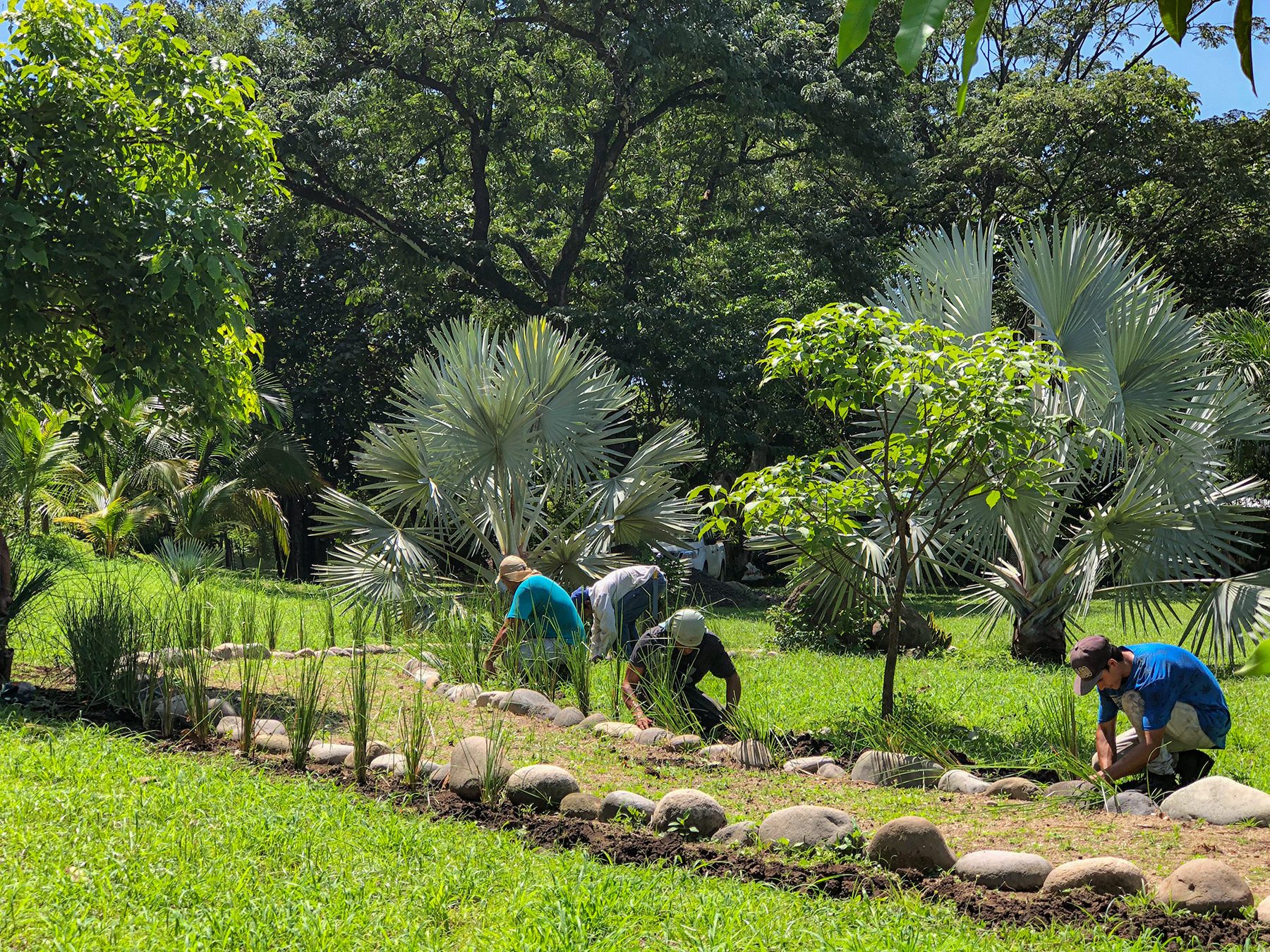
The garden crew planting a new bed below the Bismarck palms
Planting with the crew
Chapter IV 2016

The gardens take shape.

The palm walk was laid out and, in a single season, nine hundred trees and plants went in. The northern fence line was planted with red and white bougainvillea. The next year every tree was tagged and catalogued for the first time, and that ledger grew into the register you can walk today. The hardwood forest was begun in 2018, the first bamboo planted in 2019, and in 2020 the owners moved to Costa Rica to make the gardens their daily work.
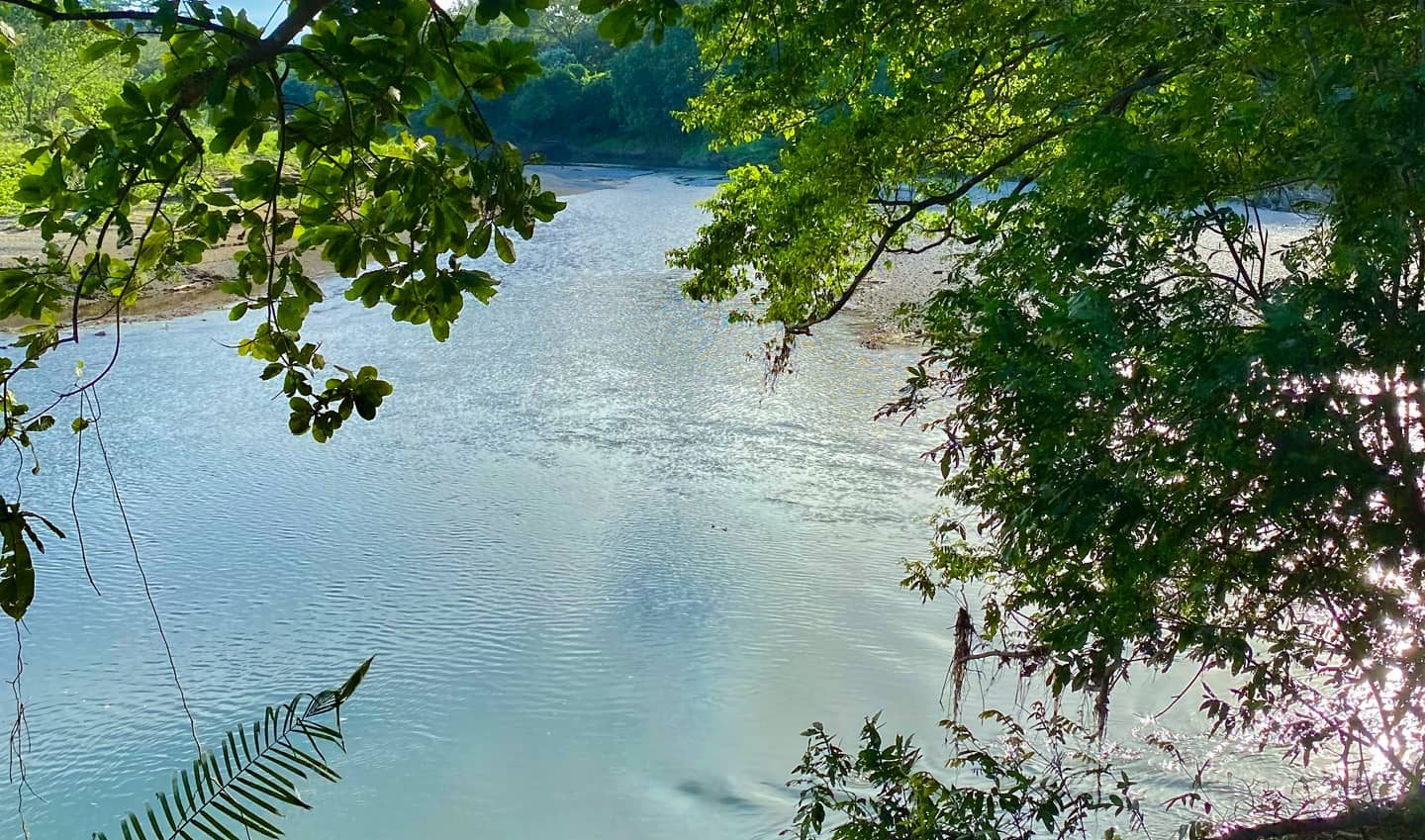
The Nosara River along the southern boundary
The river, southern boundary
Chapter V Now

The canopy closes.

Twelve rainy seasons on, the trees have closed over the paths. They are past adolescence: tall enough to shade, old enough to flower and fruit. The howler monkeys came back on their own. So did the motmots, the coatis and the crocodile on the river. Some nine thousand trees and plants from four continents are in this soil, and every one of them is recorded.

None of it can be bought and delivered. It can only be handed on.
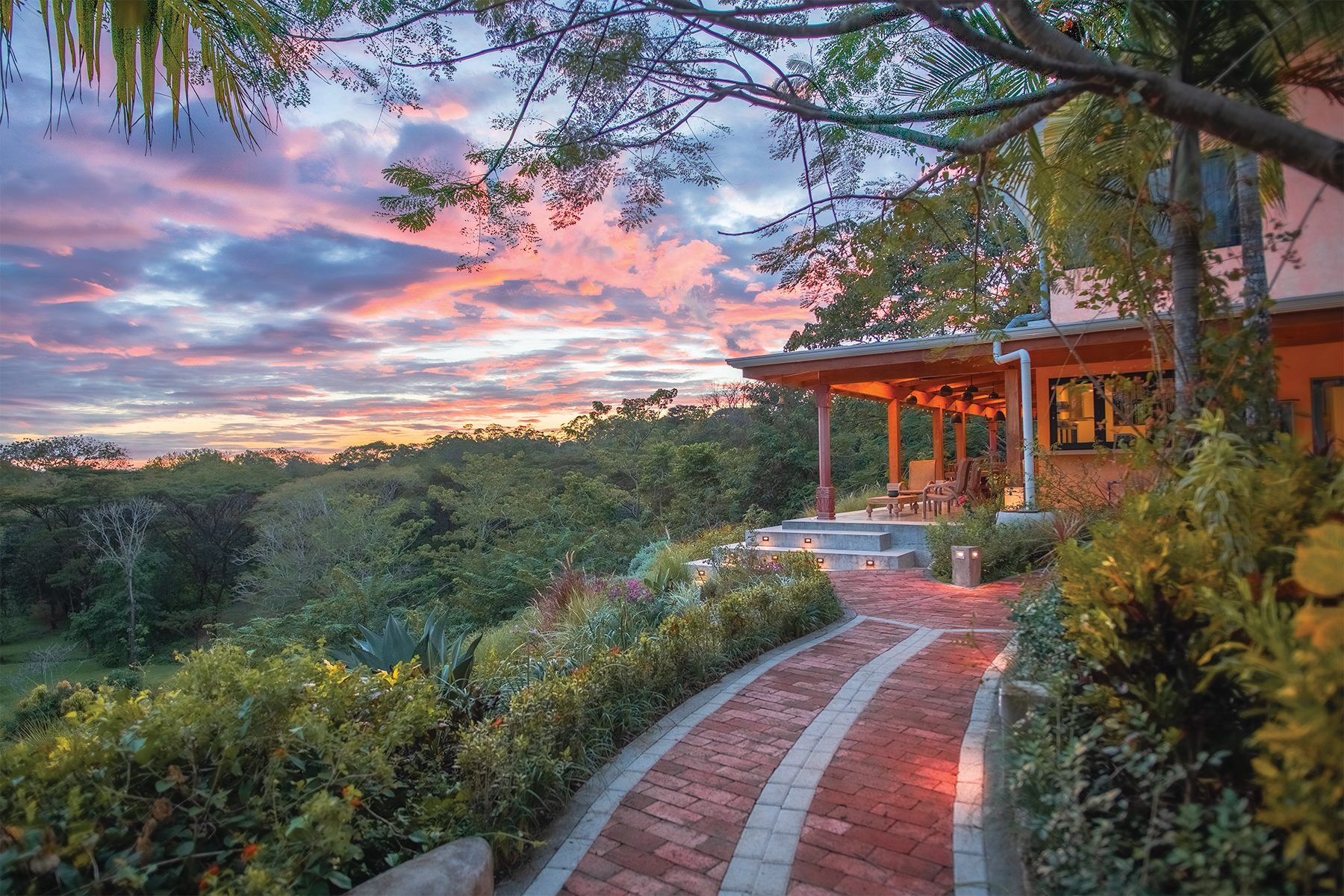
The garden path to the residence at sunset
The gardens, 2026
“When you buy land, plant trees first.”
The old counsel the gardens were built on
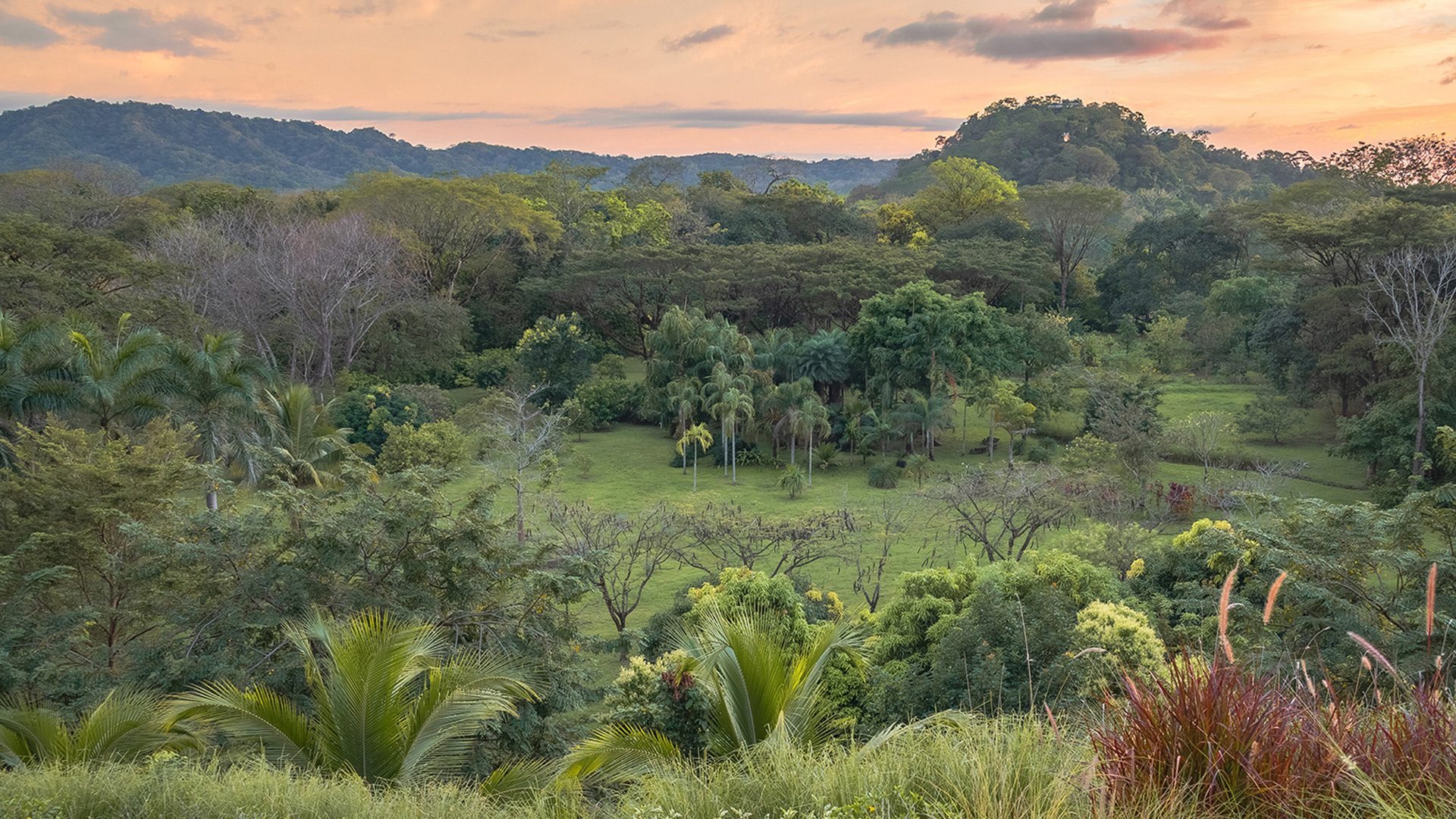
The long view

What time and love
can create.

The same ground, thirteen years apart. What a buyer inherits here is time: a canopy that cannot be bought, delivered or hurried.

The gardens in 2026 The same ground in 2013, bare and cleared 20132026
↔ Drag
9,000+
Trees and plants planted
202
Species and varieties
4
Continents of origin
2013–2026
Years of planting
Origins

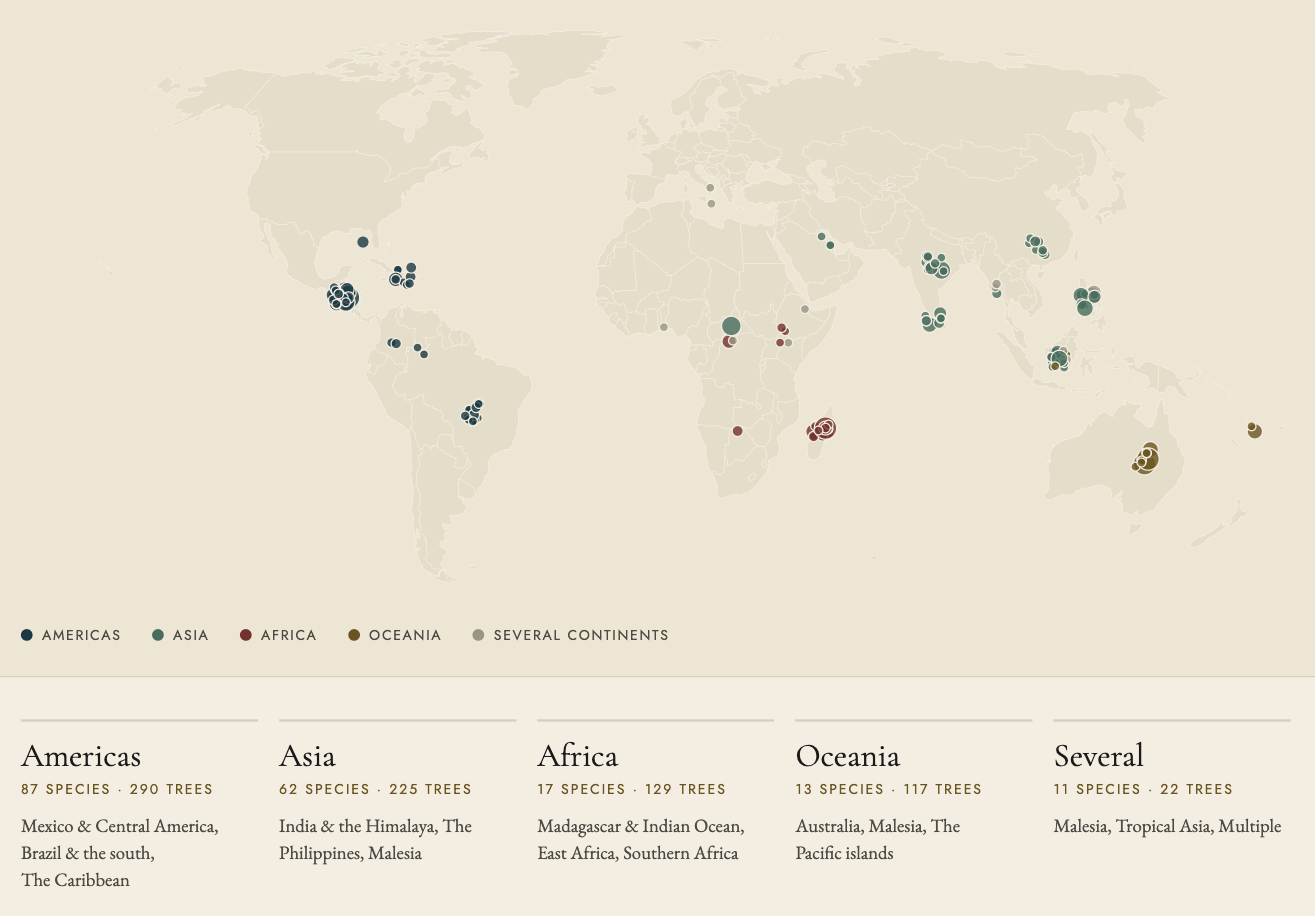
Trees from four continents.

Every dot is a species growing on the estate, placed roughly where it grows wild. Larger dots mean more trees.

World map showing where each species on the estate grows wild

Live from the register — updates itself when the register does

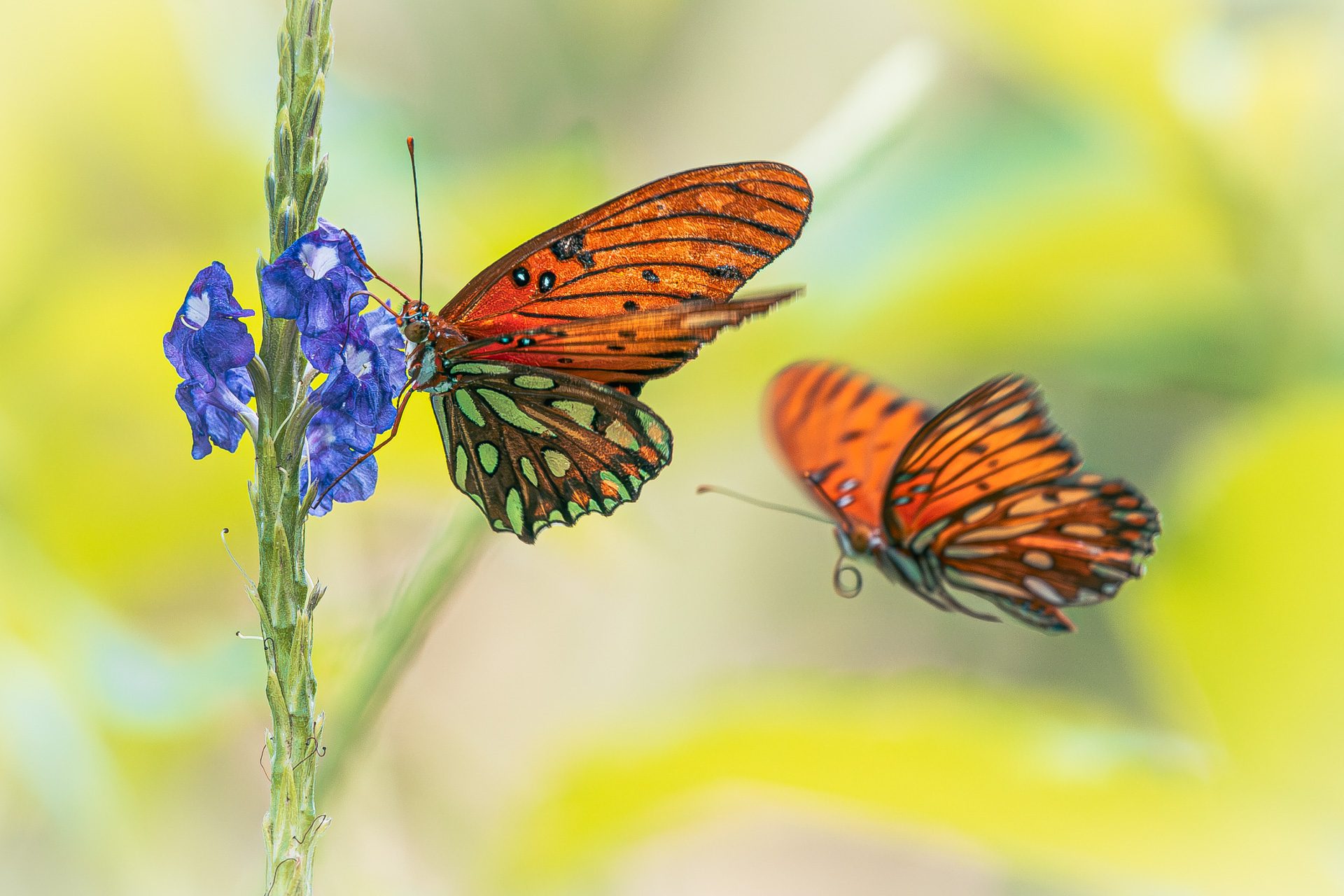
Two gulf fritillary butterflies on blue porterweed in the butterfly garden
The tree register

Every tree, recorded.

Eight hundred and one trees. Two hundred and two species. Each one with a page of its own — where it comes from, when it went into the ground, and where it stands on the estate.

Walk the register

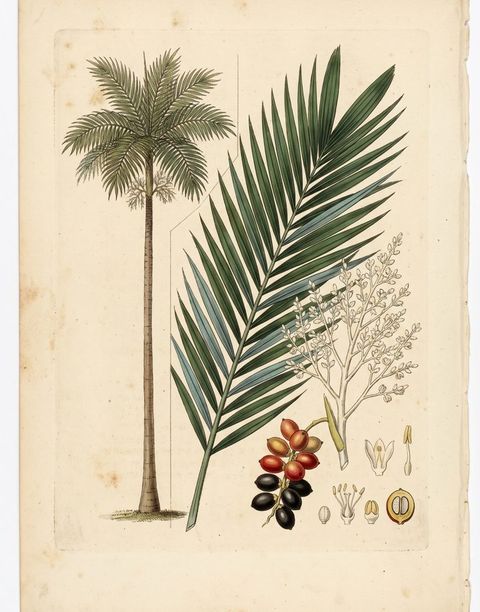
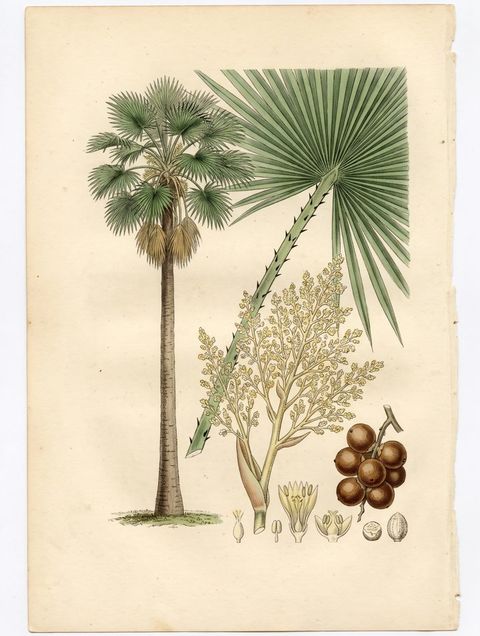
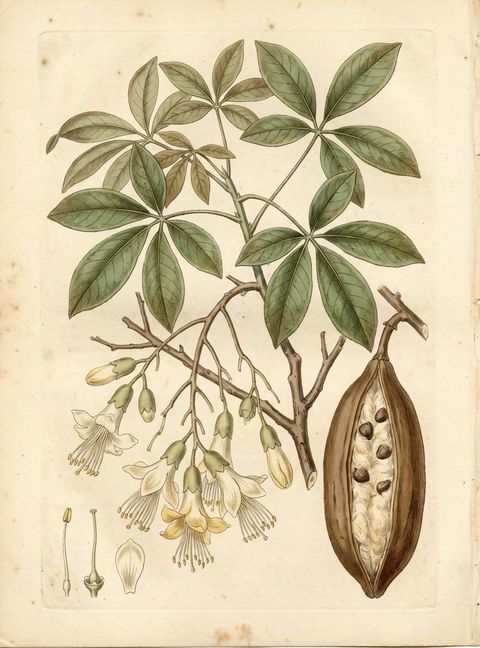
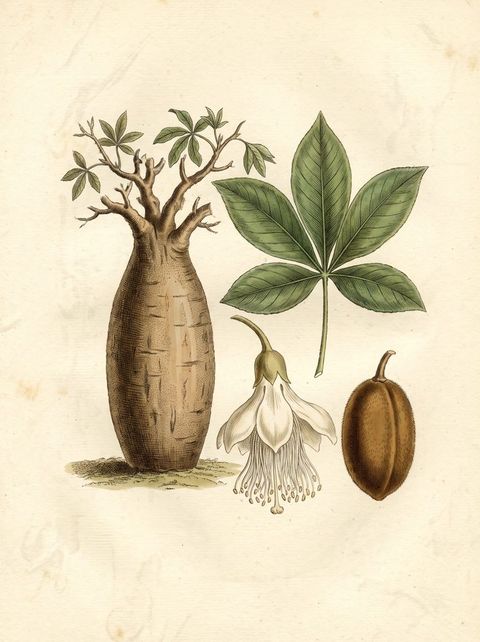
gardens.thesanctuaryestate.com · 185 species illustrated

What the planting gives you

A garden is the one thing
you cannot install.

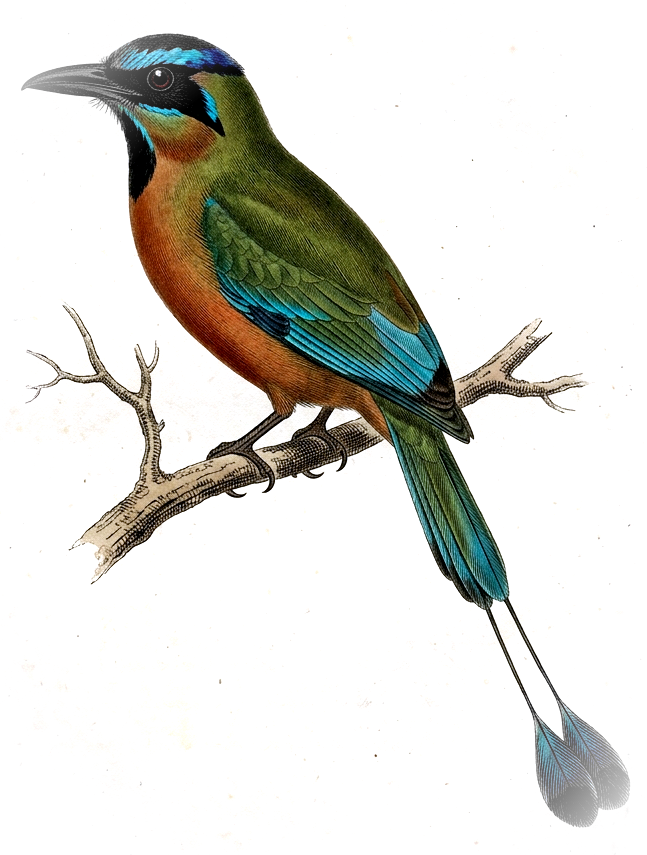
Plate of a turquoise-browed motmot
Turquoise-browed motmot · Eumomota superciliosa · resident
  • Shade, now

    Twelve years of growth, already standing

    The trees are past their adolescence: tall enough to shade a path, old enough to flower and fruit. You begin where twelve years of planting left off, not at a bare site.

  • Food

    An orchard already bearing

    Over a hundred fruit trees across fifty varieties: mango, rambutan, cacao, coffee, citrus, soursop, star fruit, yellow mangosteen. A working nursery on the property to grow on from.

  • Water

    Two sources, secured

    A well drilled to a hundred metres, with a concession granted for a ten-year term that transfers with the sale, and frontage on the Nosara River. The planting is established, not dependent on constant irrigation.

  • Company

    The wild came back on its own

    Howler monkeys in the canopy most mornings. Twenty-three species of bird photographed in the gardens, the motmot among them. Seven kinds of butterfly in the garden planted for them. A fruiting, regenerated property draws them in and keeps them.

  • Knowledge

    The record passes with the land

    Every tree is numbered, tagged and catalogued: species, origin, planting date, and where it stands. Whoever comes next inherits the knowledge of the garden, not just the garden.

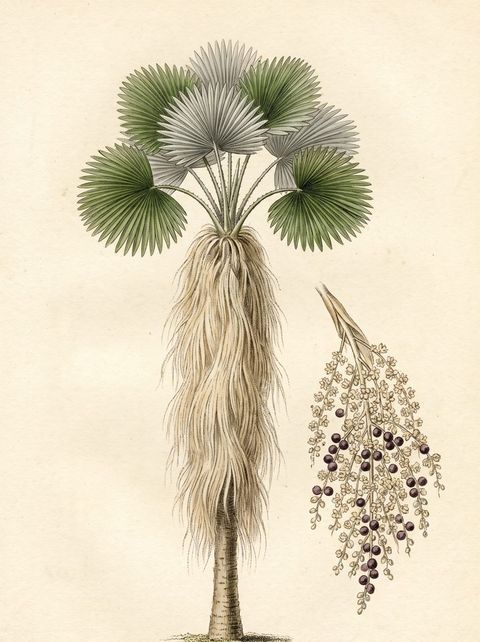
Plate of a frangipani cluster
Through the year

Something is always in flower.

A year-long calendar of flowering trees and plants, month by month, from the poro-poro in January to the bougainvillea in December.

JanFebMarAprMayJunJulAugSepOctNovDec
See the year in flower
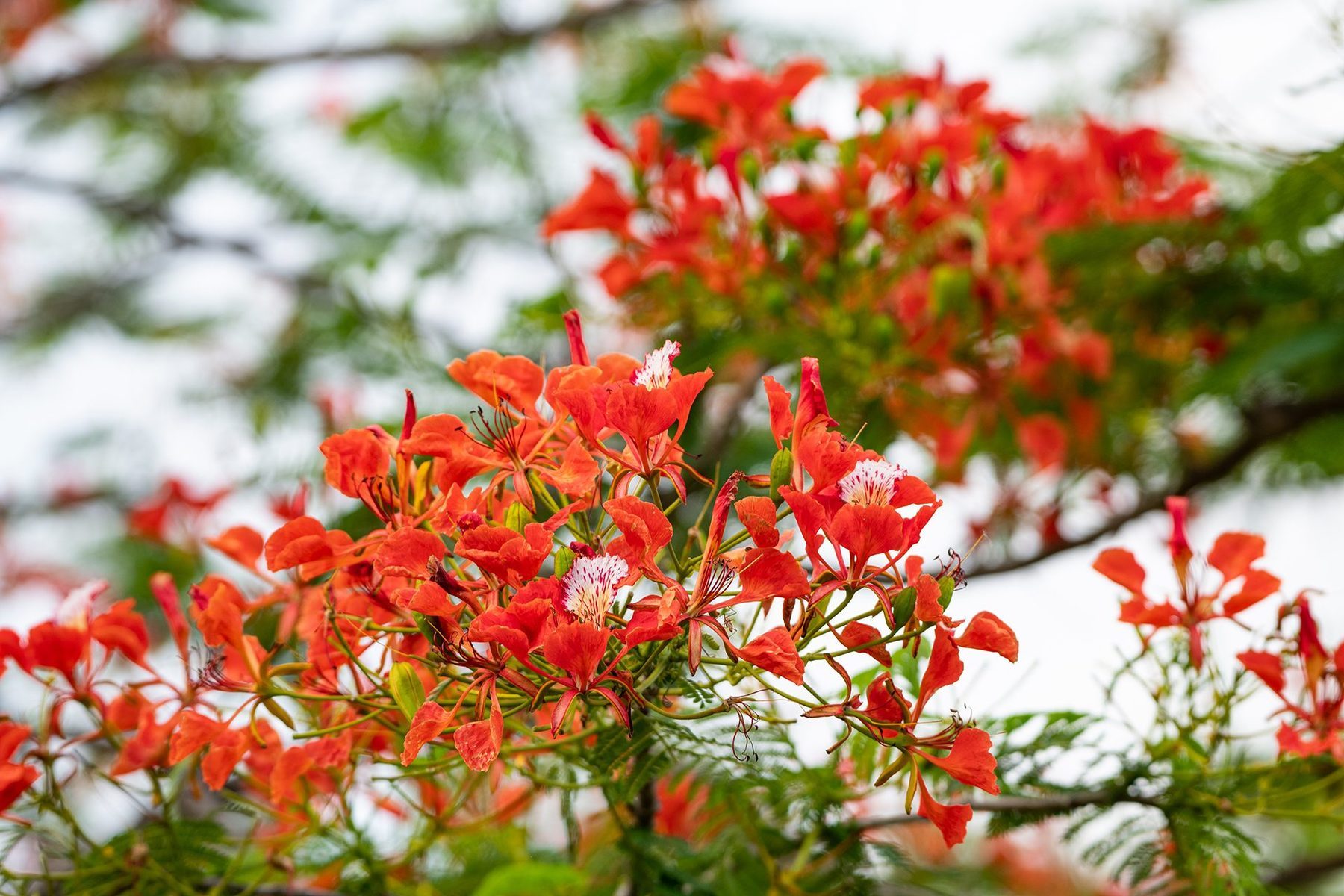
A royal poinciana in flower against the sky
Trees are the earth’s endless effort to speak to the listening heaven.
Rabindranath Tagore
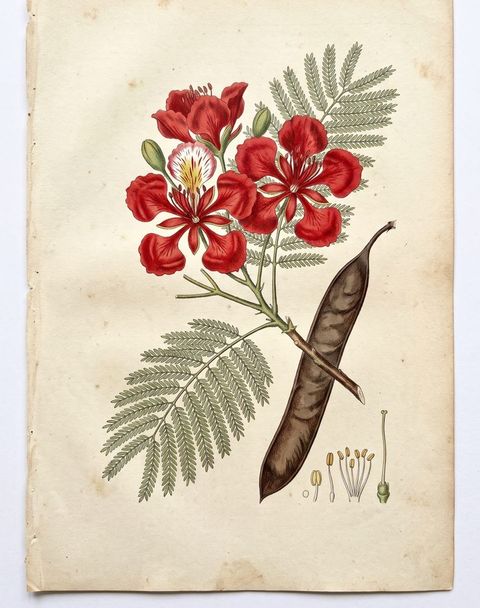
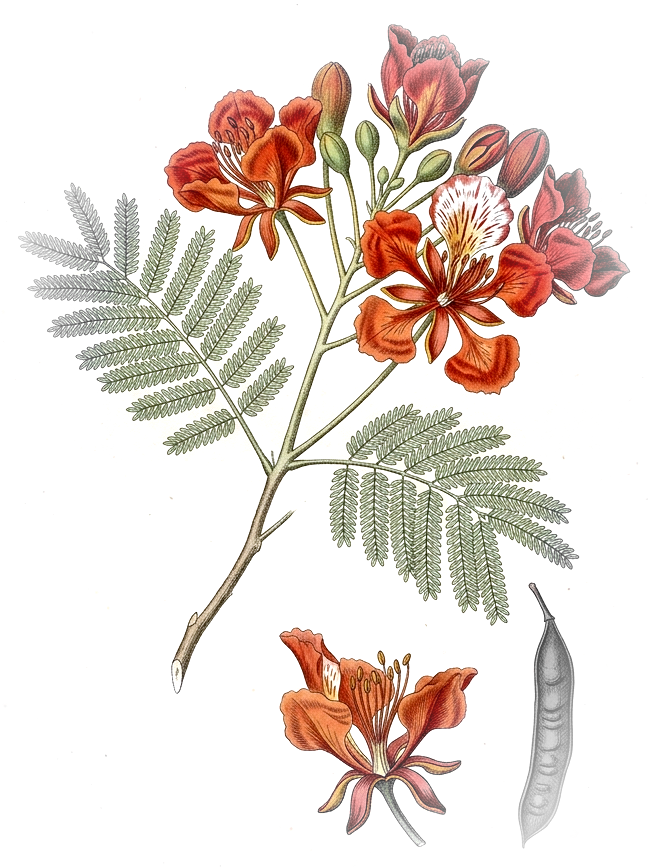
Botanical plate of a royal poinciana spray
Royal poinciana · Delonix regia · seventy-seven on the estate
The estate

The gardens pass with the land.

Twelve years of planting are not offered on their own. They come with the house, the well and its concession, the nursery, and the register of every tree: each species, each planting date, each place on the estate. Sixteen acres on the Nosara River, ten minutes from Playa Guiones.

Nosara · Guanacaste · Costa Rica

  • What passes with the land
  • I
    The residenceTwo bedrooms, built to be lived in now and handed on.
  • II
    The well and its concessionDrilled to a hundred metres; a ten-year concession that transfers with the sale.
  • III
    The gardens and the nurseryNine thousand trees and plants, and the means to keep planting.
  • IV
    The registerEvery tree numbered and recorded at gardens.thesanctuaryestate.com.
  • V
    The riverFrontage on the Nosara River along the southern boundary.