From cattle to canopy: three Nicoya restorations
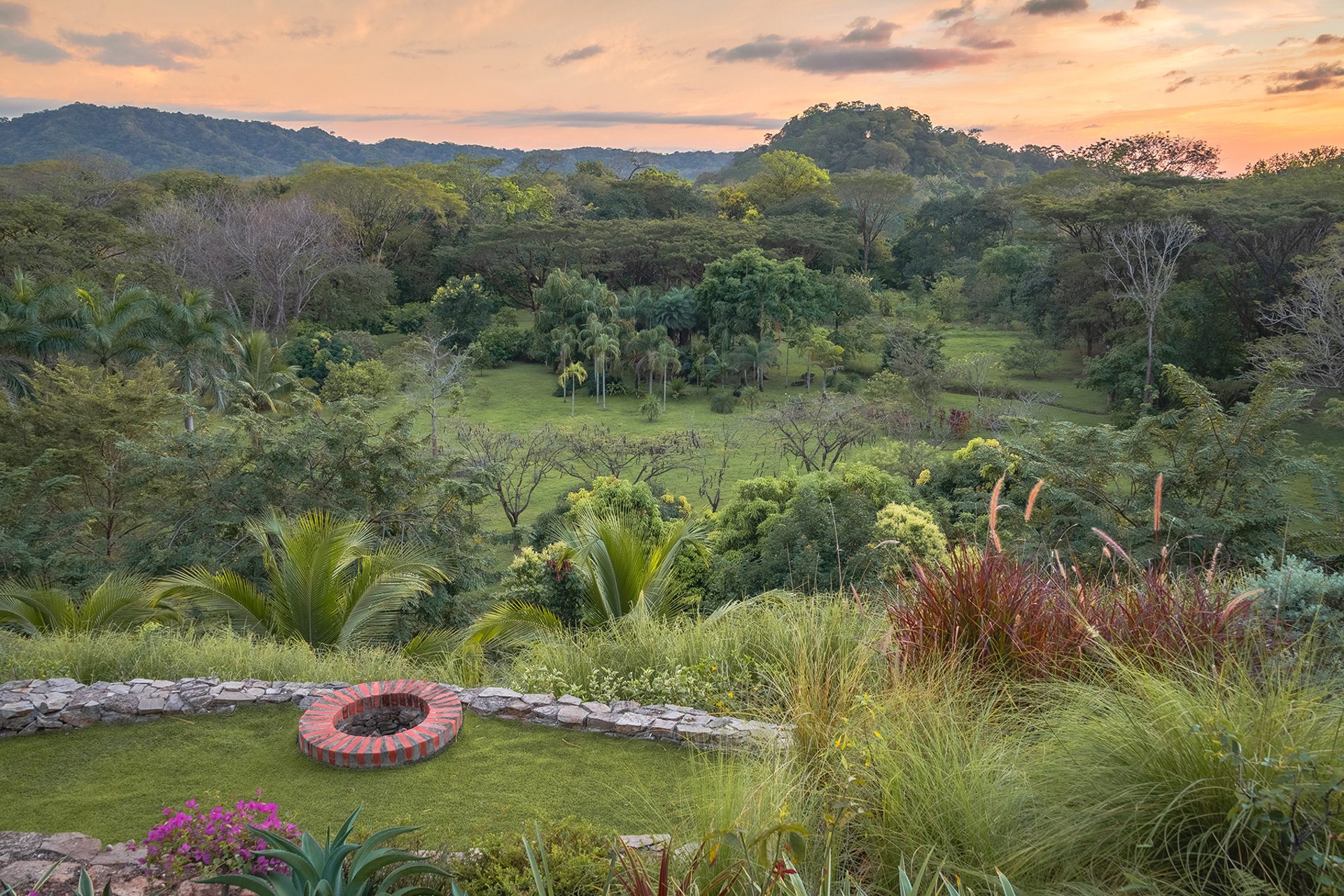
The Nicoya Peninsula was cattle country. Much of the tropical dry forest that once covered it was cleared for pasture across the twentieth century, and the dry forest is among the most threatened forest types in the Americas — far more of it has been lost than rainforest.
It is also coming back in places, and the people bringing it back are not who you would expect. Three examples, at three very different scales.
Matambú: a philanthropist and 3,500 hectares
The largest is at the Matambú Forest Nature Reserve, on this peninsula, where roughly 3,500 hectares of tropical dry forest have been restored inside a much larger protected area.
It began the way most of these begin: an individual, the Danish philanthropist Peder Kolind, bought a piece of degraded land. Natural regeneration started in the late 1990s. The Eden Project — the Cornish organisation known for its biomes — joined in 2018, and it is now one of their international sites.
The lesson is not the scale. It is the origin. A private person bought damaged ground on the Nicoya Peninsula and let it heal, and it became something of international significance.
Lagarta: a private reserve that pays for itself
Closer to home, the Reserva Biológica Nosara is roughly 36 hectares of privately owned reserve on the Nosara River, with mangrove and river frontage, trails, and a bird tower.
What makes it instructive is the model. It is attached to a boutique lodge, and the lodge funds the reserve. Guests walk the trails; the trails justify the land staying as forest. Conservation with a business attached to it, on a parcel small enough that one owner can hold it.
This estate: sixteen acres and twelve years
The smallest of the three. 6.6 hectares — 16.3 acres — on the Nosara River, cleared ground in 2010, first tree planted on 27 May 2014.
Twelve years later: more than nine thousand trees and plants, 202 species, a native dry-forest backbone with a fruit collection through it, and wildlife that arrived on its own — 23 bird species, mantled howler monkeys, a common black hawk over the river. Every plant is catalogued at gardens.thesanctuaryestate.com.
What do the three have in common?
Private ownership, and patience.
None of these were done by a large conservation organisation. Those organisations measure themselves in hectares protected per dollar, which pushes them toward big, cheap, remote parcels — and away from small ones near a coast. We have written honestly about who actually buys land for conservation.
What each of these three had instead was one owner who decided a particular piece of ground should come back, and then waited out the years it takes.
Does the scale matter?
Less than it appears, if the land is in the right place.
A small parcel inside a biological corridor does work far beyond its size, because corridors fail at their weakest link rather than at their average. The corridor now being built up the Nosara River valley had protected 264 hectares by March 2026 and adds roughly fourteen hectares a year. Against that pace, a well-placed six or seven hectares of established forest on a river is not a rounding error.
The short version
Three restorations on Costa Rica’s Nicoya Peninsula: the Eden Project’s 3,500 hectares of restored dry forest at Matambú, begun when philanthropist Peder Kolind bought degraded land in the late 1990s; the roughly 36-hectare Reserva Biológica Nosara, funded by an attached boutique lodge; and The Sanctuary Estate’s 6.6 hectares, planted from cleared ground since 2014. All three were driven by private owners rather than conservation NGOs.
See the property, or arrange a private viewing.
Related reading
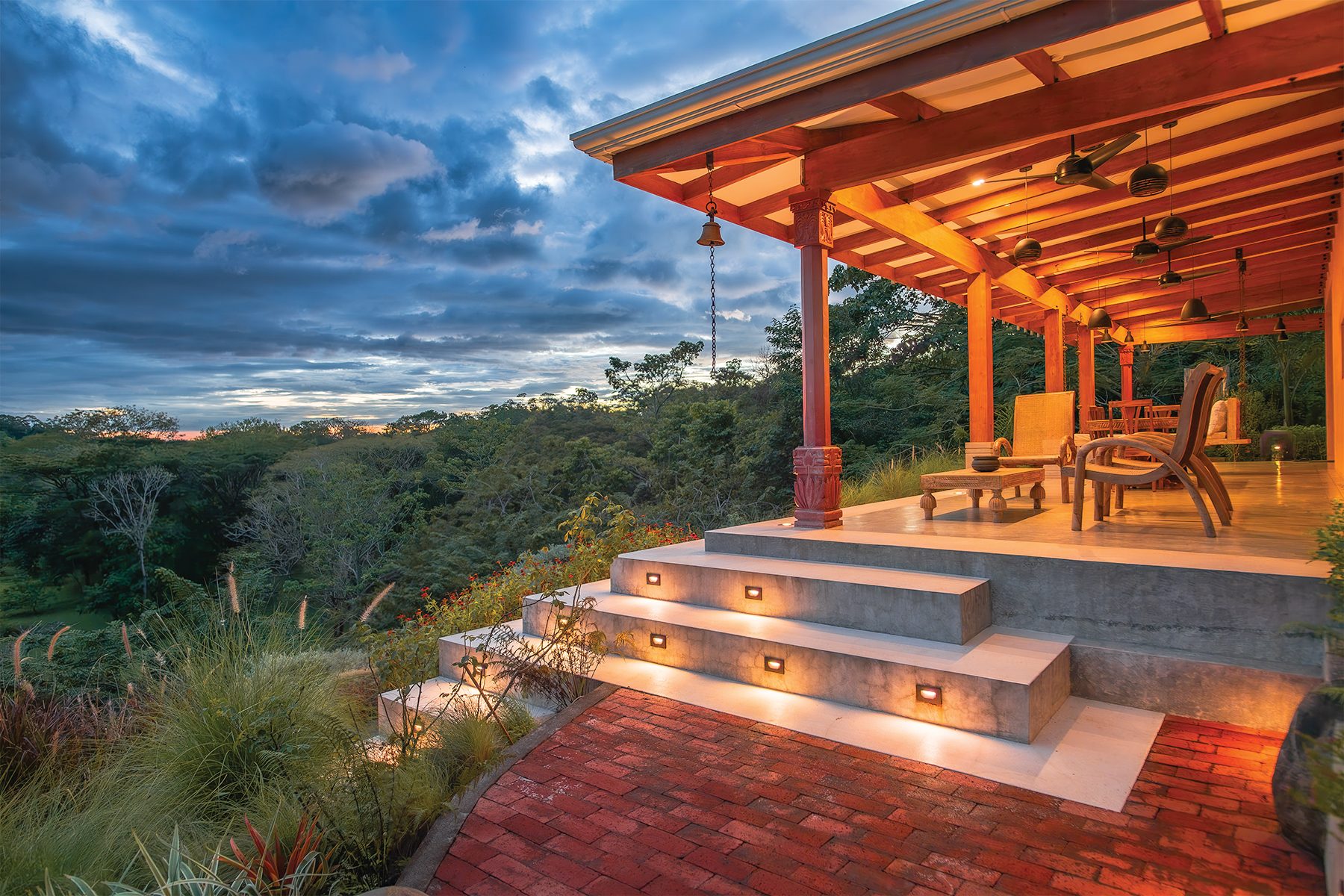
What to check before buying land in Nosara
A due-diligence list for Guanacaste property: water, title, access, the maritime zone, setbacks and utilities — and what a straight answer looks like on each.
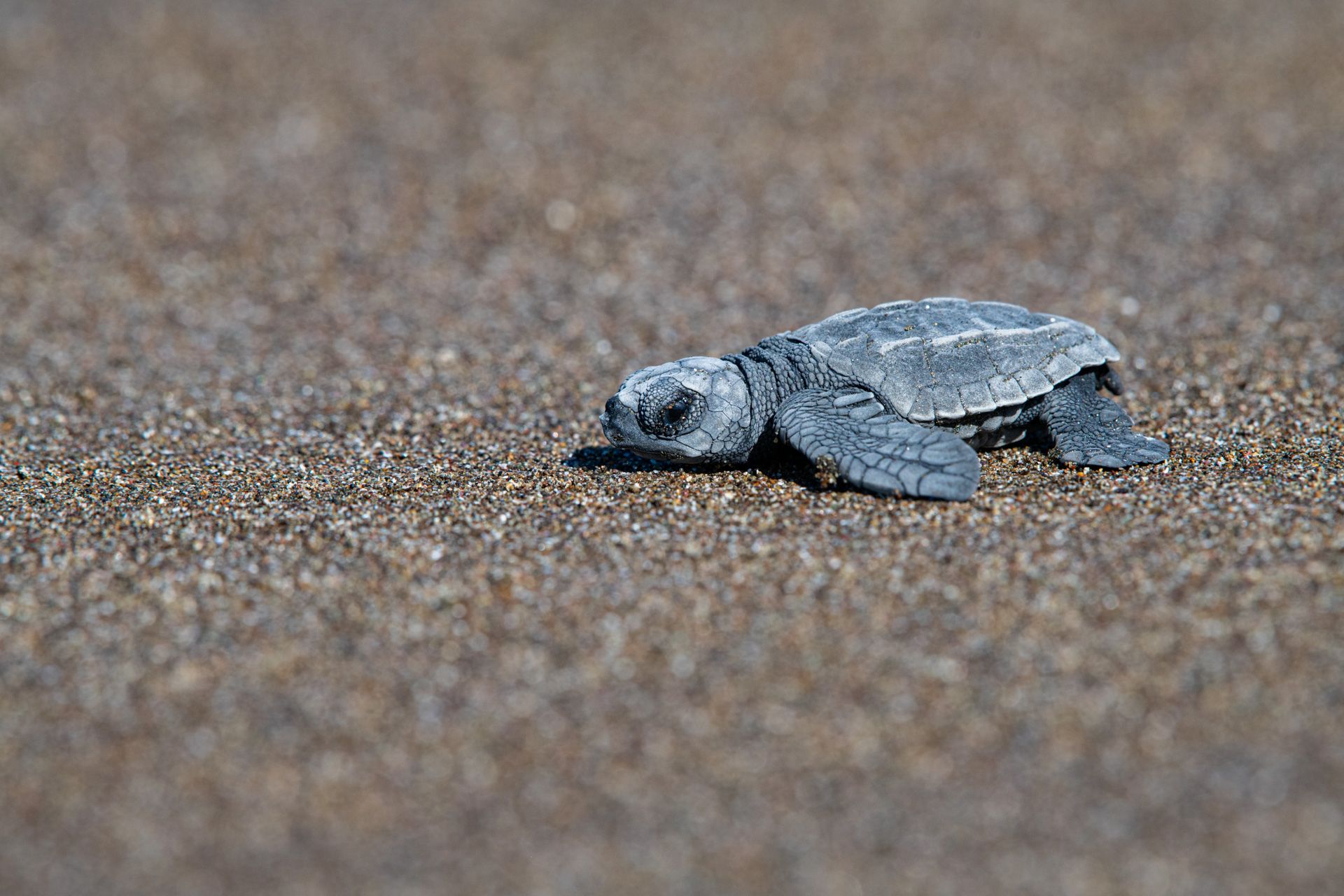
Ostional: the turtles at the end of the corridor
Hundreds of thousands of olive ridley turtles nest at Ostional, minutes north of Nosara. What an arribada is, when they happen, and how to see one properly.