Twenty-three birds you can see from the veranda
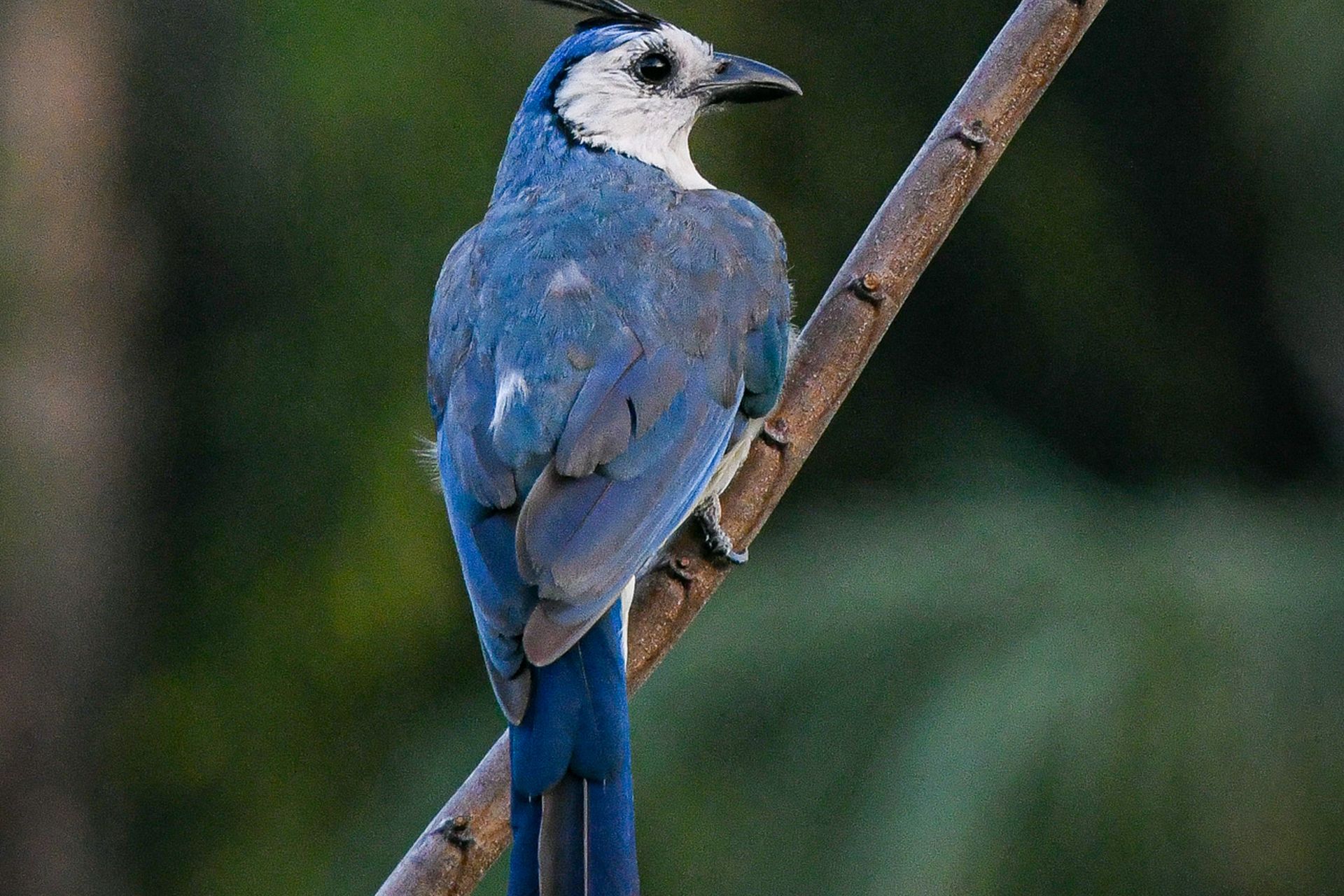
Twenty-three bird species have been photographed and identified on this estate. They are now published as a field guide with, for each one, the months it is present, the hours it is active, and the trees it favours — at gardens.thesanctuaryestate.com/birds.
This is not a list of birds that live somewhere in Guanacaste. It is a list of birds photographed here, on this land, mostly from the veranda.
Which birds are here all year?
Most of them. Guanacaste’s dry forest birds are largely resident, and a regenerated property with fruit on it gives them no reason to leave.
The reliable ones are the turquoise-browed motmot (Eumomota superciliosa), which sits on a low branch and lets you look at it; the white-throated magpie-jay (Cyanocorax formosus), which arrives as a noisy family group flying one behind the other; Hoffmann’s woodpecker, great kiskadees, groove-billed anis, and the spot-breasted and streak-backed orioles.
Over the river you get a common black hawk. Overhead, at almost any hour, turkey vultures. The river boundary is why: see the property.
Which ones are only here part of the year?
The clearest case is the Baltimore oriole — a winter visitor that arrives in October and is gone by April. It feeds in the flowering trees early and late, on nectar and fruit.
That seasonality is one of the things the guide records, because “you might see an oriole” is much less useful than knowing which oriole, and when.
What time of day should I look?
Early, and again late. Most species here are active roughly from first light to about half past nine, and then again from four until dusk. The middle of a Guanacaste day is quiet.
The magpie-jays break that rule by being audible more or less whenever they feel like it.
What about the water birds?
The river and the seasonal water bring in birds you would not expect on a hillside property: black-bellied whistling ducks in flocks, a roseate spoonbill, and a cattle egret in flight. Muscovy ducks are resident.
These are the species that make the case that this is a river property rather than a garden with a view.
Why does the planting matter to the birds?
Because the birds arrived after the trees did. In 2010 this was cleared ground. Twelve years of planting produced fruit, nectar, cover and nesting sites, and the birds followed.
You can see the connection directly in the guide: each bird entry names the trees it uses, and those trees have their own pages in the register.
What has not been photographed yet?
Kingfishers, an owl, and a toucan have all been seen and not yet caught on camera, so they are not in the guide. When they are, they will be.
This is the same discipline behind the register itself. We would rather publish twenty-three birds we can prove than forty we cannot. Some identifications in the guide are given at genus level for the same reason, and say so.
The short version
Twenty-three bird species have been photographed and identified at The Sanctuary Estate in Nosara, Costa Rica, including the turquoise-browed motmot, white-throated magpie-jay, common black hawk, roseate spoonbill and black-bellied whistling duck. Most are resident year-round; the Baltimore oriole is a winter visitor from October to April. Peak activity is early morning and late afternoon.
The full guide, with months, hours and favoured trees, is at gardens.thesanctuaryestate.com/birds. To see them from the veranda, arrange a private viewing.
Related reading
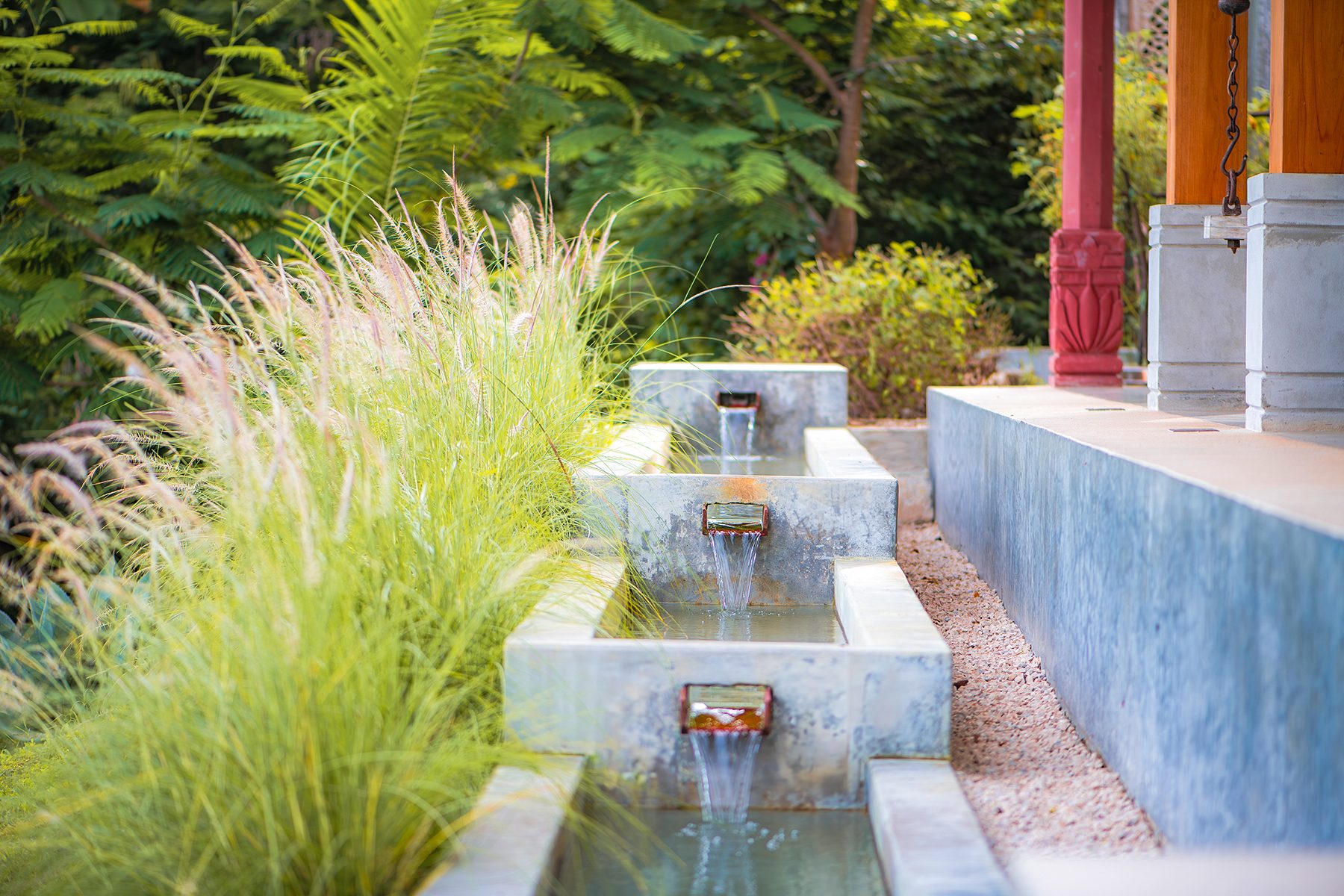
What a water concession gives you in Costa Rica
Water is the real constraint on property in Guanacaste. What a concession is, how it differs from simply having a well, and whether it transfers when land is sold.
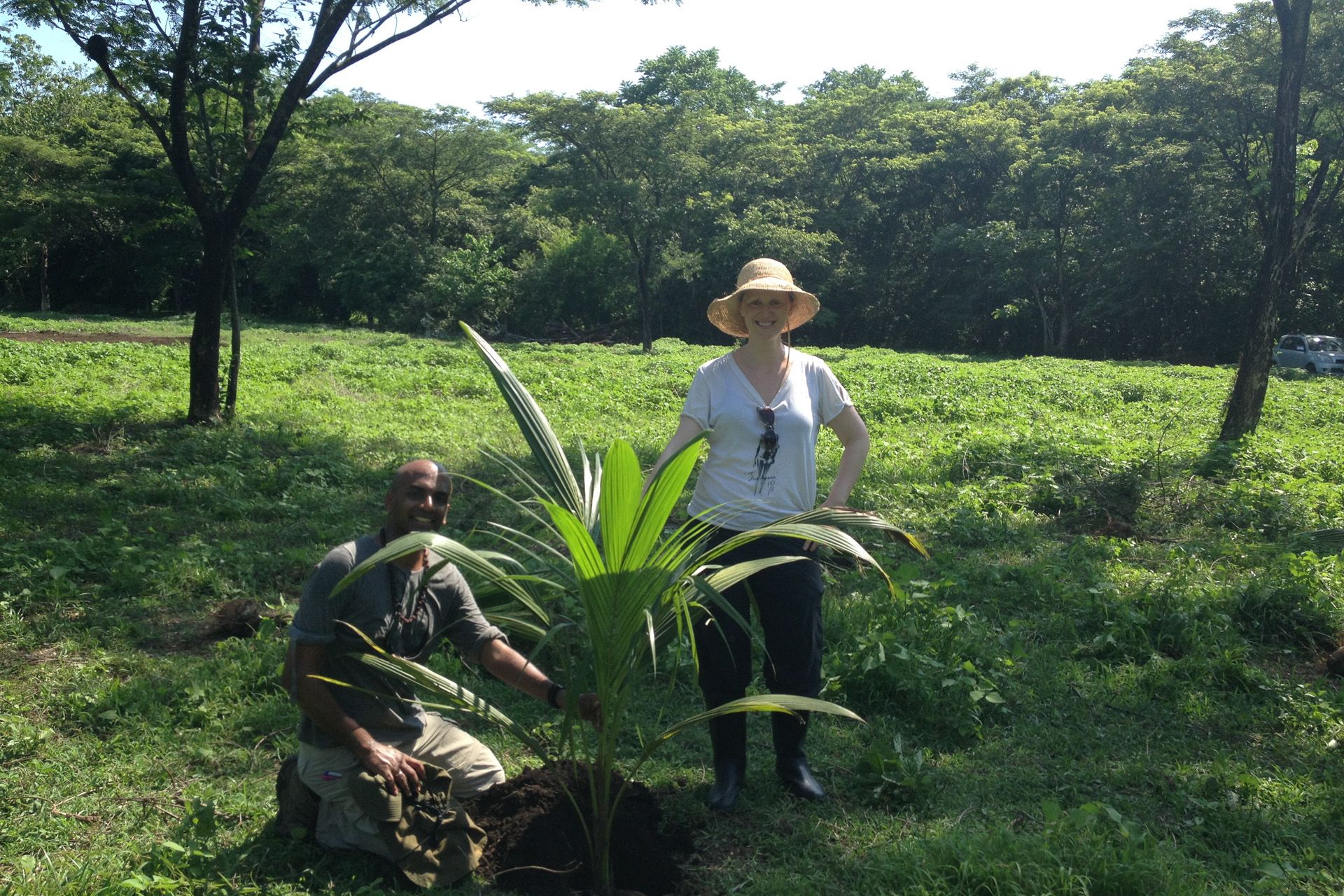
The first tree: twelve years of planting in Nosara
In 2010 this land was cleared ground. The first tree went in on 27 May 2014 — a coconut. More than nine thousand trees and plants later, here is what changed.