What a water concession gives you in Costa Rica
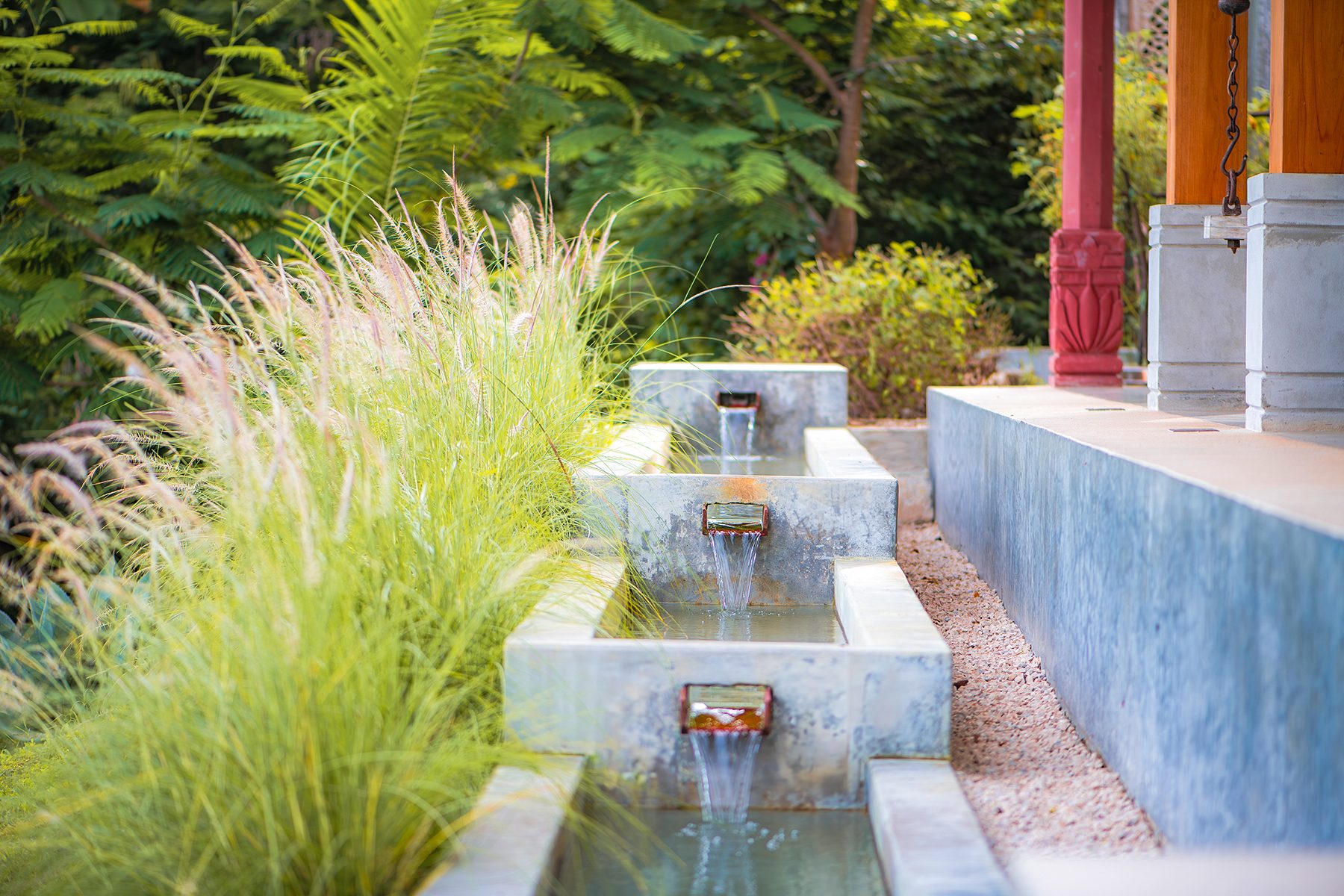
In Guanacaste, water decides what a piece of land can become. A concession is the state’s formal grant of the right to extract it — and without one, a well is a hole with no legal standing. The Sanctuary Estate holds a concession on a well drilled to 100 metres, granted for a ten-year term, and it transfers with the sale of the property.
If you are looking at land anywhere on this coast, this is the question to ask before the view, the road or the price.
Why is water the first question in Guanacaste?
Because the province has a long, genuine dry season and finite groundwater, and demand along the coast has grown quickly.
From roughly December to April, rainfall is minimal. Everything green in that period is green because someone secured water rights years earlier. Costa Rica treats water as a public good administered by the state, so extraction is permitted rather than owned — and permission is not automatic, not quick, and not guaranteed to be renewed on the same terms forever.
What is the difference between having a well and having a concession?
A well is infrastructure. A concession is permission.
You can drill and find water and still have no lawful right to use it at scale. The concession is what the state grants: the authorisation to extract from that source, for a defined period, subject to conditions. In practice, the paperwork is the asset. The drilling is the easy part.
For a buyer this distinction is the whole game. Land marketed as “has water” may mean a producing well with a granted concession, or it may mean a well and an application that has been sitting somewhere for two years.
How long does a concession last, and what happens at the end?
Concessions are granted for a fixed term — ten years, in this estate’s case — and are subject to renewal rather than running indefinitely.
That is not a defect. It is how the system is designed to work: the state retains the ability to reassess against changing conditions in the aquifer. What matters when you are buying is that the term is real, documented, and current, and that you know where in the cycle you are standing.
Does a concession transfer when the property is sold?
Yes, in this case. The concession here transfers with the sale.
This is worth confirming explicitly on any property you look at, because it is exactly the kind of thing assumed rather than checked. A buyer who inherits land without inheriting its water rights has bought a different property from the one they thought.
What does this estate have?
A well drilled to 100 metres, with a concession granted for a ten-year term that transfers with the sale, and a secured water letter — a rarity in Nosara that can take years to obtain. There are two water sources on the property.
There is also the Nosara River along the southern boundary, and a landscape that shows what sustained water access produces: more than nine thousand trees and plants established over twelve years, an orchard of over 100 fruit trees across 50 varieties of fruit, and gardens that stay alive through the dry months. That is what twelve years of secured water builds.
Specific figures on volumes and permit numbers are the kind of thing we go through properly with a serious buyer and their lawyer, in due diligence, rather than publishing.
What should a buyer ask to see?
- The concession itself — the grant, its term, and its current status.
- The water letter, and whether it is issued or applied for.
- The well record: depth, and when it was drilled.
- Written confirmation that both transfer on sale.
- How many independent sources the property has, and whether any depend on a neighbour.
The short version
A water concession in Costa Rica is the state’s grant of the right to extract water, distinct from simply owning a well, issued for a fixed term and subject to renewal. In Guanacaste, where the dry season runs roughly December to April, it is the single most important thing to verify before buying land. The Sanctuary Estate holds a 100-metre well under a ten-year concession that transfers with the sale, plus a secured water letter and two water sources.
See the property and the gardens it supports, or arrange a private viewing to review the documents in person.
Related reading
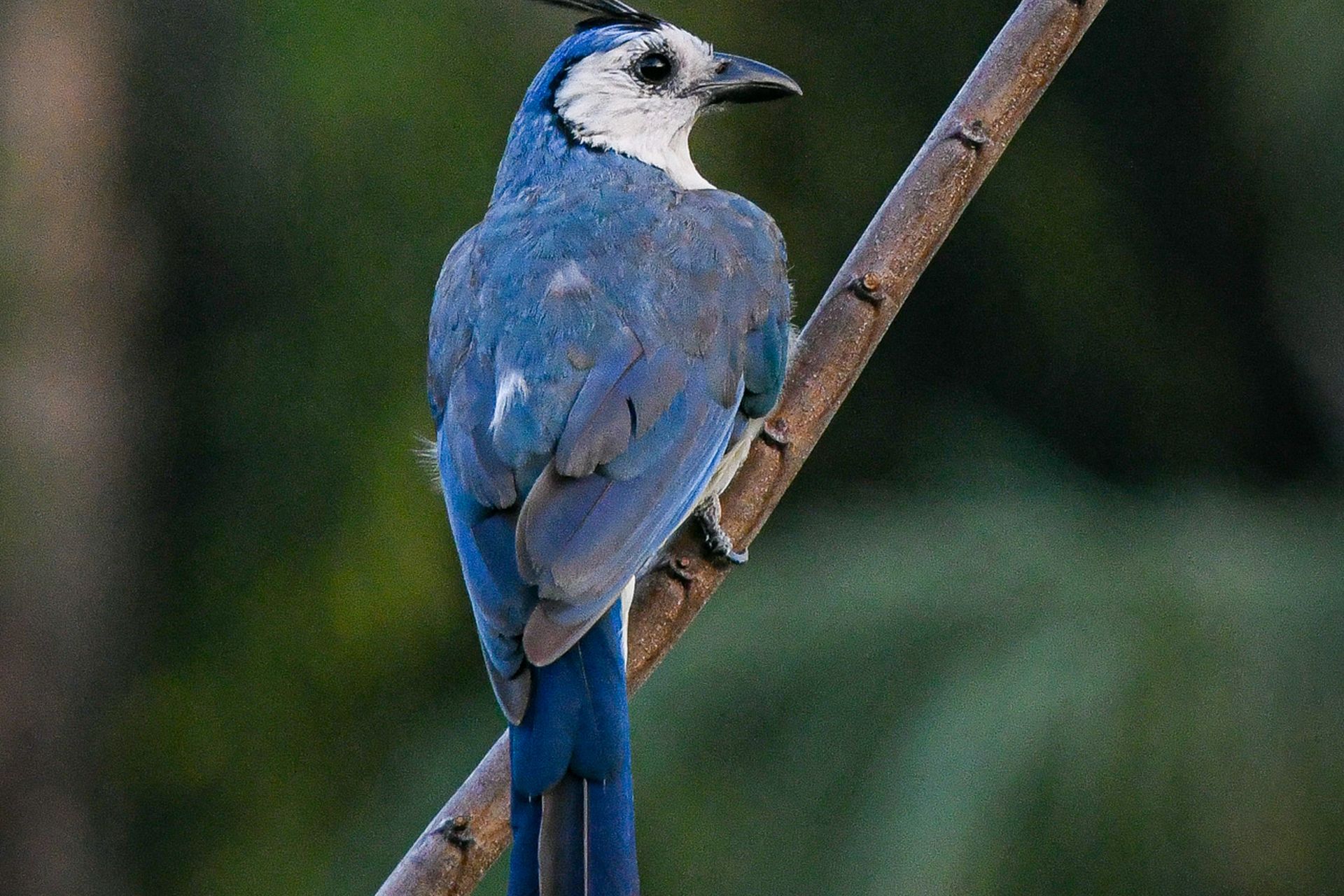
Twenty-three birds you can see from the veranda
Every bird recorded on this Nosara estate, with the months and hours each is most likely to appear and the trees each one favours.
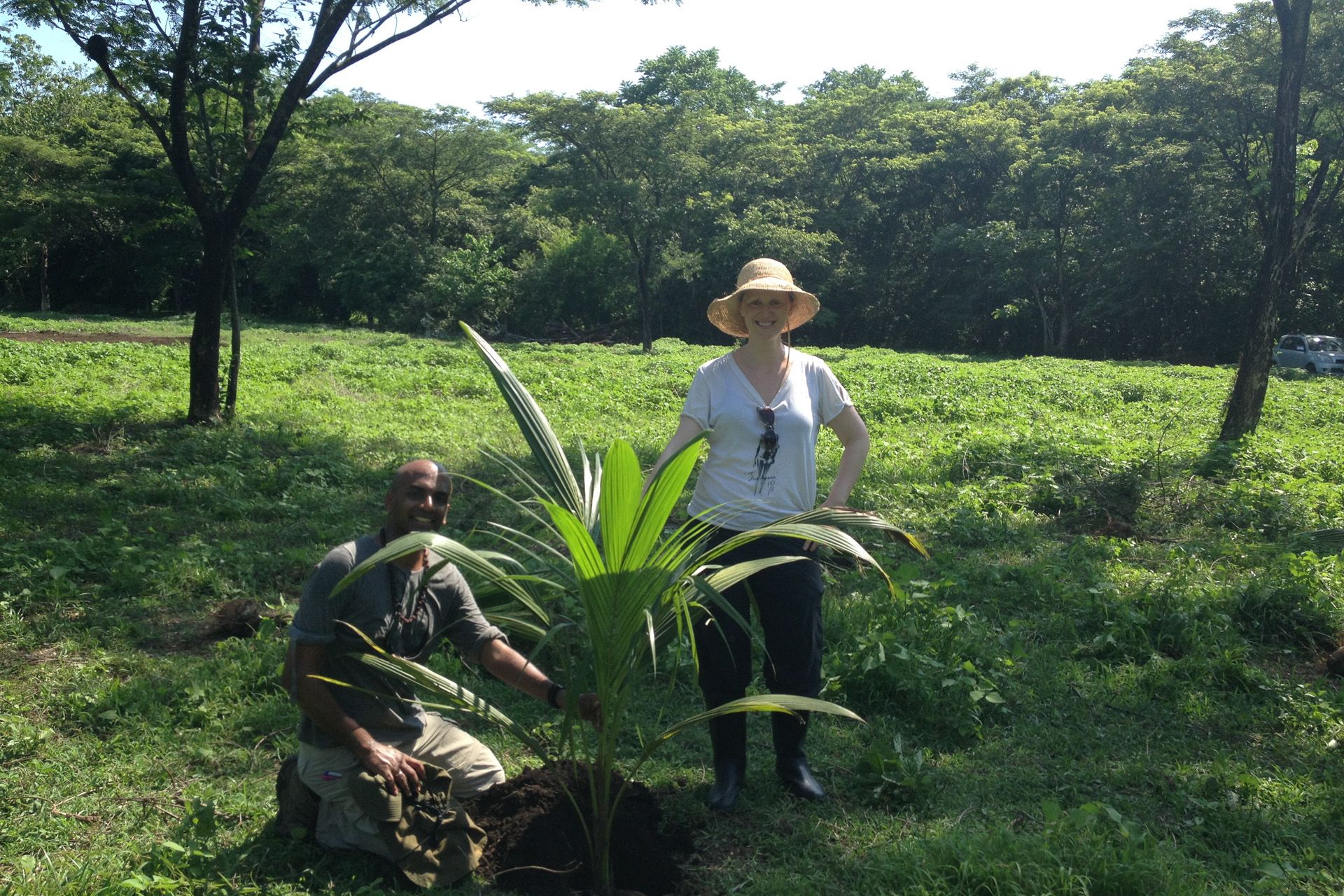
The first tree: twelve years of planting in Nosara
In 2010 this land was cleared ground. The first tree went in on 27 May 2014 — a coconut. More than nine thousand trees and plants later, here is what changed.