The first tree: twelve years of planting in Nosara
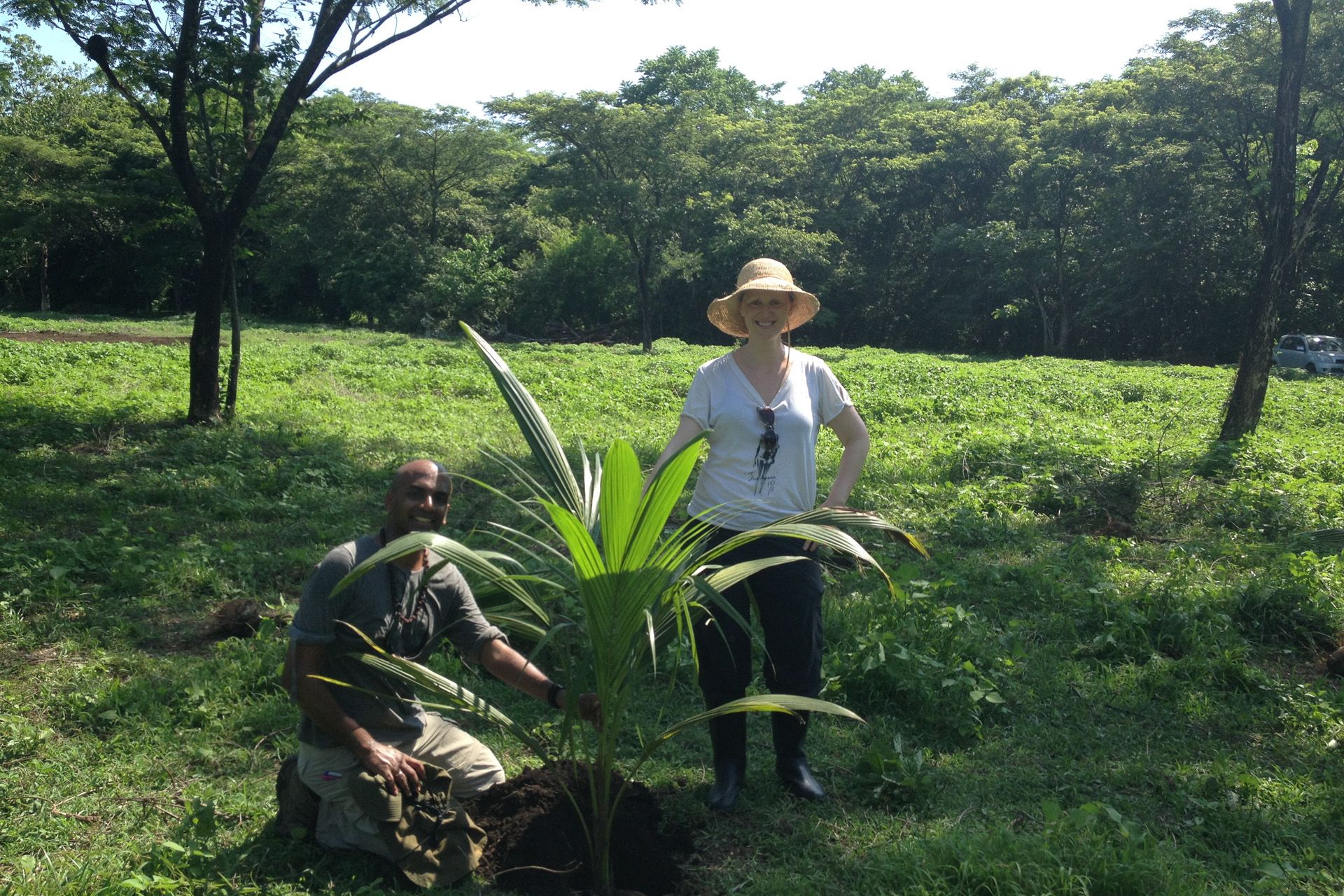
The first tree planted on this estate went into the ground on 27 May 2014. It was a coconut palm, and the photograph above is the moment it was planted. Twelve years later there are more than nine thousand trees and plants on the property, catalogued in a public register.
This post is the part of the story that photographs of finished gardens never show.
What did the land look like before?
Cleared. Not forest, not pasture with old shade trees — scraped ground.
The photograph below was taken on 29 August 2010. Bare, churned earth, a scatter of felled brush, standing water, and a hill of intact forest behind. Two figures stand in the middle distance for scale. That is the same ground the gardens now cover.
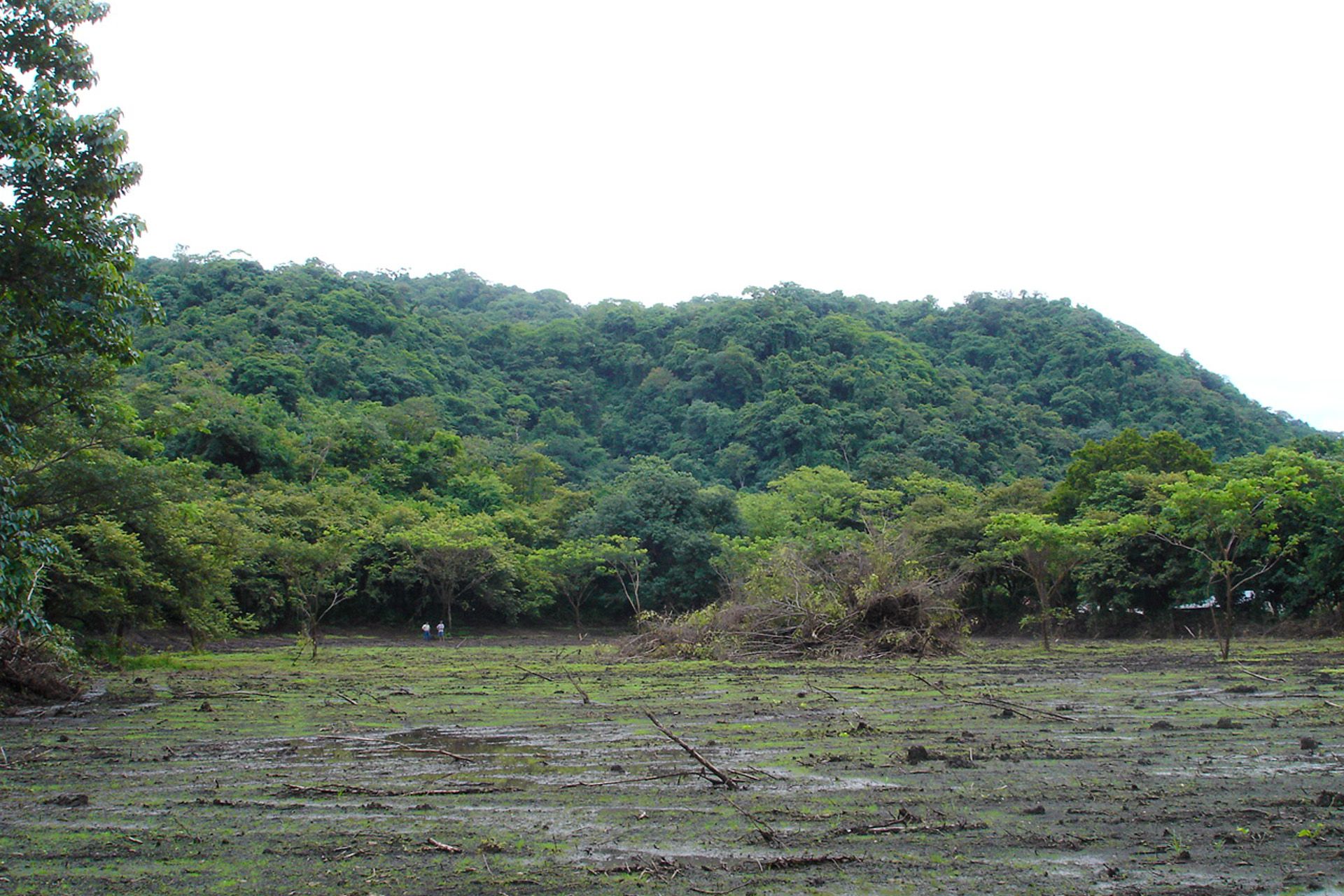
It is worth sitting with that image for a moment, because it settles a question buyers reasonably ask about regenerated land: was it really degraded, or is that just a story? Here is the answer, dated.
Why was there a four-year gap before the first tree?
Because planting into damaged ground and hoping is how you lose four years, not gain them.
Guanacaste has a hard dry season. From roughly December to April there is very little rain, and a young tree with an undeveloped root system will not survive it without help. The first tree went in on 27 May 2014 — the beginning of the rainy season, which is when everything here gets planted. Plant in May, and a sapling has six months of rain to root before its first dry season.
What was planted, and in what order?
A coconut palm first — Cocos nucifera, the tree in the photograph.
After that the planting followed the logic of a dry forest rather than a nursery catalogue: fast-growing species first to throw shade and hold soil, then fruit, then the slower and more particular trees that need shelter to establish. The orchard came in over years, not a season. Over 100 fruit trees across 50 varieties of fruit now grow here, from rambutan and cacao to soursop, star apple and miracle fruit.
The full inventory is browsable by category and origin — 202 species in all, assembled from India, Southeast Asia, tropical Africa, the Pacific and the Americas.
What came back on its own?
The animals, which is the part nobody plants.
Mantled howler monkeys move through the canopy most mornings. Twenty-three bird species have been recorded and photographed on the property — turquoise-browed motmots, white-throated magpie-jays, a common black hawk over the river, roseate spoonbills. Nineteen animals and insects, including seven butterfly species, are recorded in the wildlife guide.
None of that was here in 2010. You cannot import it. You grow the habitat and wait, and eventually things arrive.
How long does this actually take?
Longer than a build, and that is the honest argument for buying rather than starting.
A house in Nosara can be finished in eighteen months to two years. A canopy cannot. The trees in the photographs on this site have had twelve rainy seasons and twelve dry ones, and there is no way to buy that time back. Whoever owns this land next inherits a forest that is already standing, and a register that names every tree in it.
The short version
The Sanctuary Estate was cleared ground in August 2010. The first tree, a coconut palm, was planted on 27 May 2014, at the start of the rainy season. Twelve years on, the property carries more than nine thousand trees and plants across 202 species, an orchard of over 100 fruit trees across 50 varieties of fruit, and 23 recorded bird species — all catalogued at gardens.thesanctuaryestate.com.
See what grew: the gardens, or arrange a private viewing.
Related reading
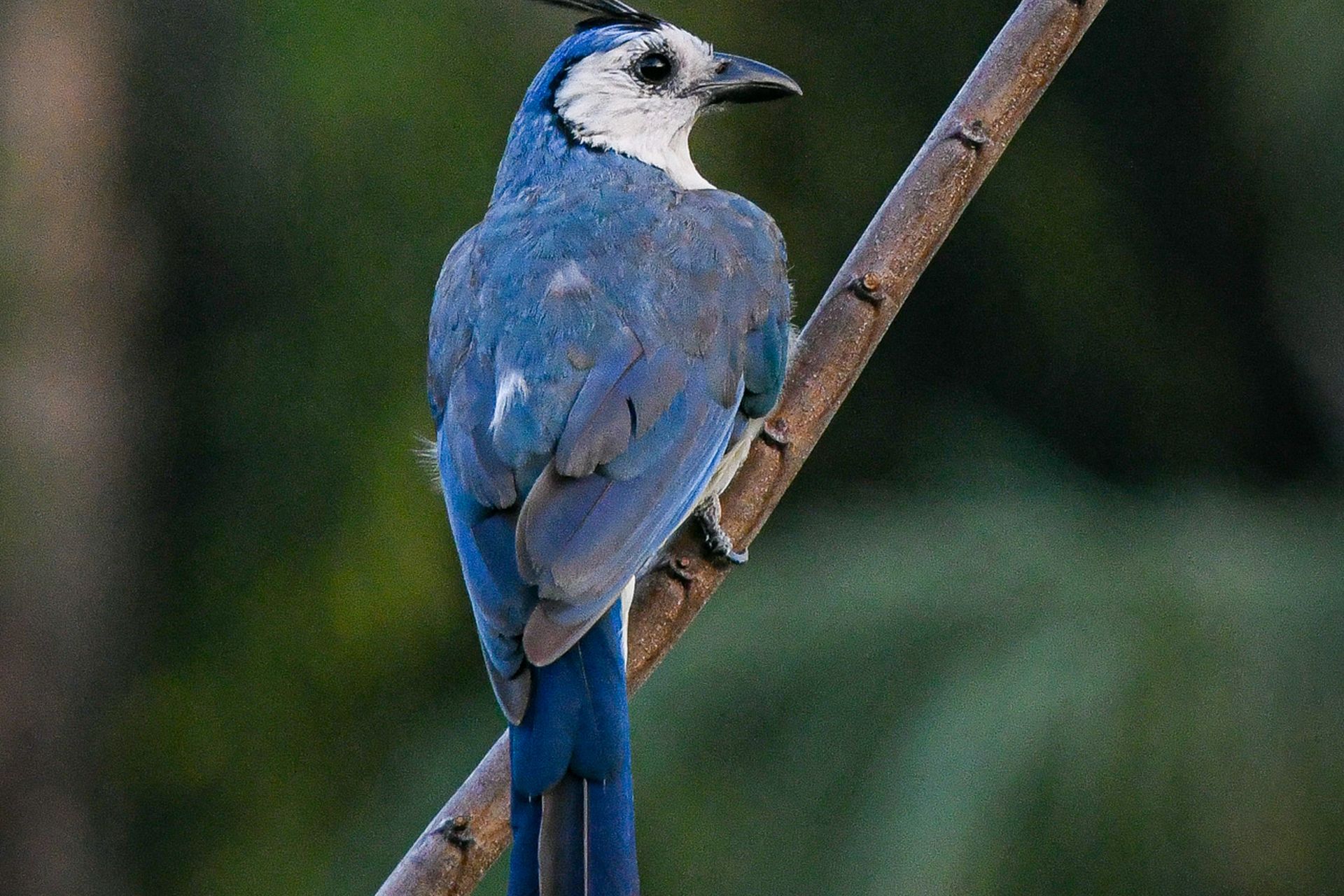
Twenty-three birds you can see from the veranda
Every bird recorded on this Nosara estate, with the months and hours each is most likely to appear and the trees each one favours.
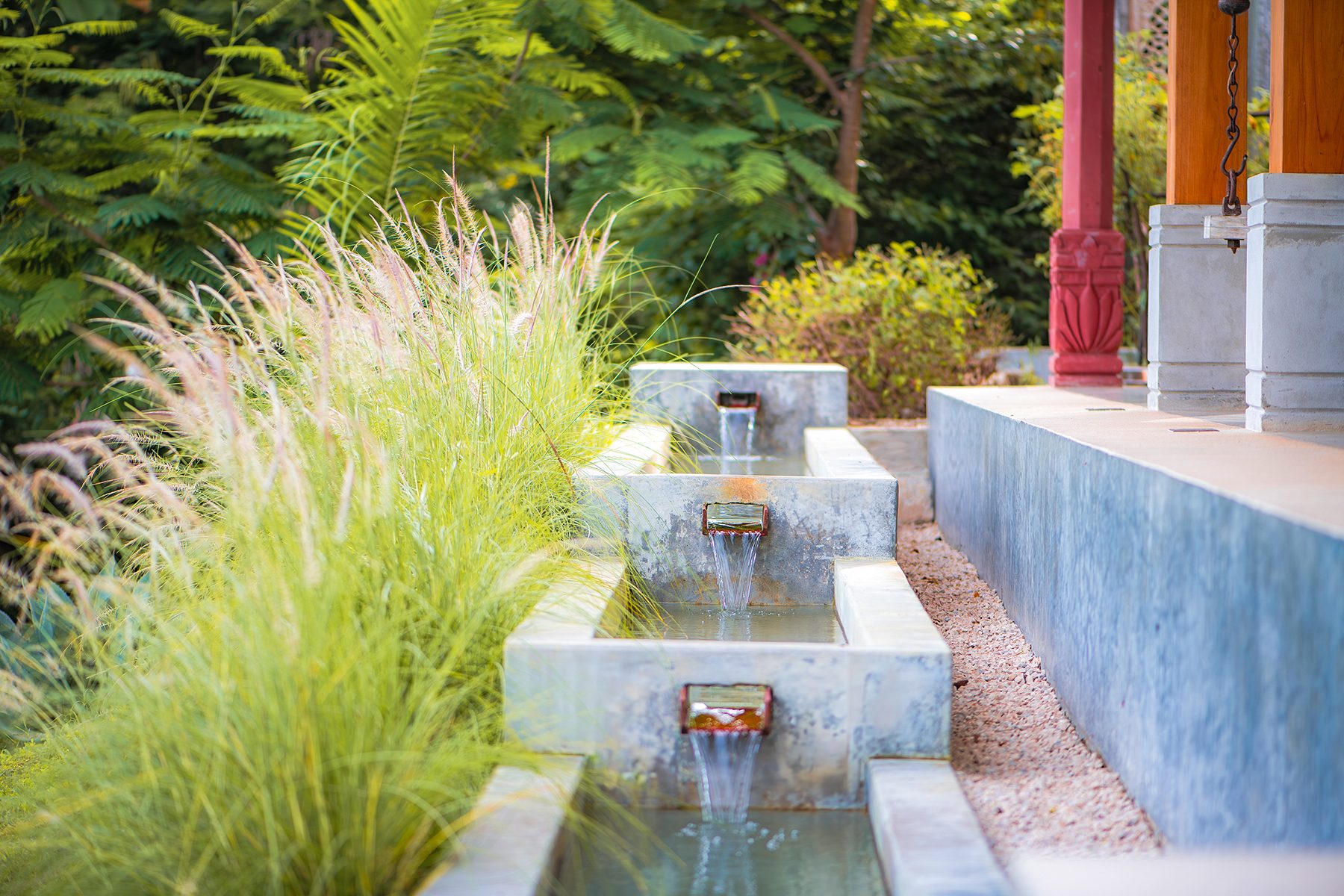
What a water concession gives you in Costa Rica
Water is the real constraint on property in Guanacaste. What a concession is, how it differs from simply having a well, and whether it transfers when land is sold.