The tree register: every plant on the estate, mapped
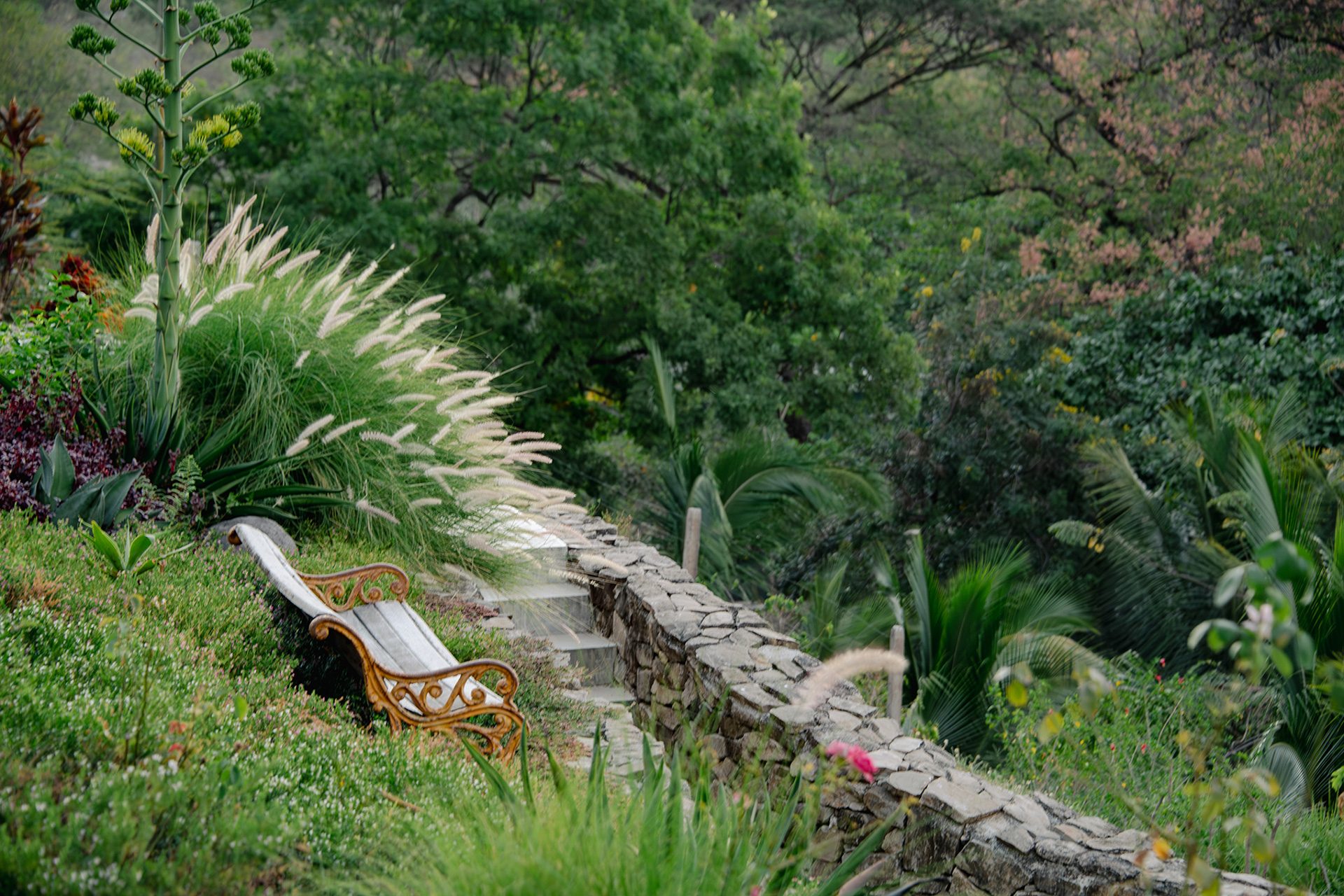
There are more than nine thousand trees and plants on this estate, and as of this month every identifiable one of them has a page on a public website. It is called the register, it lives at gardens.thesanctuaryestate.com, and this post explains what is in it.
Most properties are sold on square metres. This one comes with a catalogue.
What is in the register?
Two things, kept separate, because they answer different questions.
A species page covers the plant itself — the accepted botanical name, the common names in English and Spanish, where in the world it comes from, and a botanical plate drawn for it. There are 202 of these.
A tree record covers one individual plant standing in one place on this land, with a number that belongs to it permanently. If a tree dies, its number is retired rather than reused. That rule matters more than it sounds: it means the register can be read years from now and still describe the same tree.
Around 531 pages in total, and you can walk into any of them from the collection index.
Why number the trees at all?
Because the alternative is a garden that has to be re-learned by every person who inherits it.
A number turns a mango tree into that mango tree — the one planted in a particular year, in a particular zone, that fruits in a particular month. Groundskeepers can be told exactly which tree needs attention. A new owner can find out what they have without walking every acre with a botanist.
Many of the numbered trees also carry a donor: people who sponsored a planting, recorded by name and country in the estate’s own records.
Where did the trees come from?
Not from one place, which is the surprising part. The collection was assembled from India, Southeast Asia, tropical Africa, the Pacific and the Americas, and then persuaded to grow together on a hillside in Guanacaste.
The Origins page maps this — continent by continent, with the species that came from each. A baobab from Africa. A banyan from India. Native Costa Rican dry-forest species that were here, or should have been, all along.
Can I find a specific tree?
Yes. The Find a tree page takes a number and returns that tree’s record. It was built for someone standing on the land with a phone, which is how it is mostly used.
If you would rather browse than search, the collection can be filtered by category, by zone, and alphabetically.
What else is on the site?
Three field guides, drawn from the same photography and research:
- Birds — 23 species recorded on the property, with the months and hours each is most likely to be seen, and the trees each favours.
- Wildlife — 19 animals and insects, including a butterflies chapter.
- In bloom — 52 flowering plants arranged month by month, so you can see what the gardens do in March, or in November.
The short version
The Sanctuary Estate’s tree register is a public catalogue of more than nine thousand trees and plants on a 16.3-acre property in Nosara, Costa Rica: 202 species pages, individually numbered tree records, an origins map, and field guides to the birds, wildlife and flowers. It is at gardens.thesanctuaryestate.com.
The register describes the gardens as they stand today. To see them in person, arrange a private viewing.
Related reading
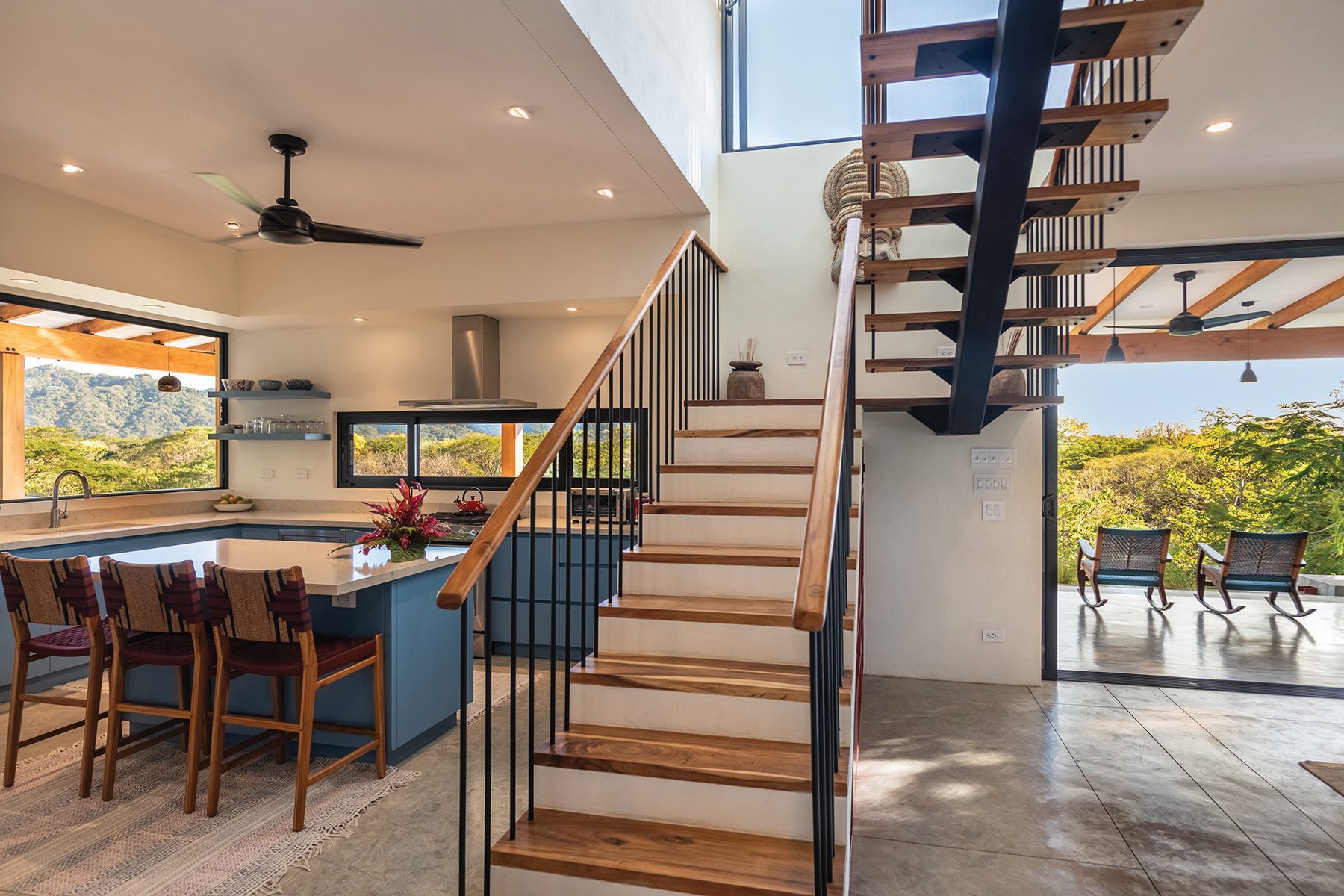
A private family estate: land to build a legacy in Nosara
16.3 titled acres, a turnkey home, water and power in place — why this Nosara estate suits a family compound built to hold for generations.
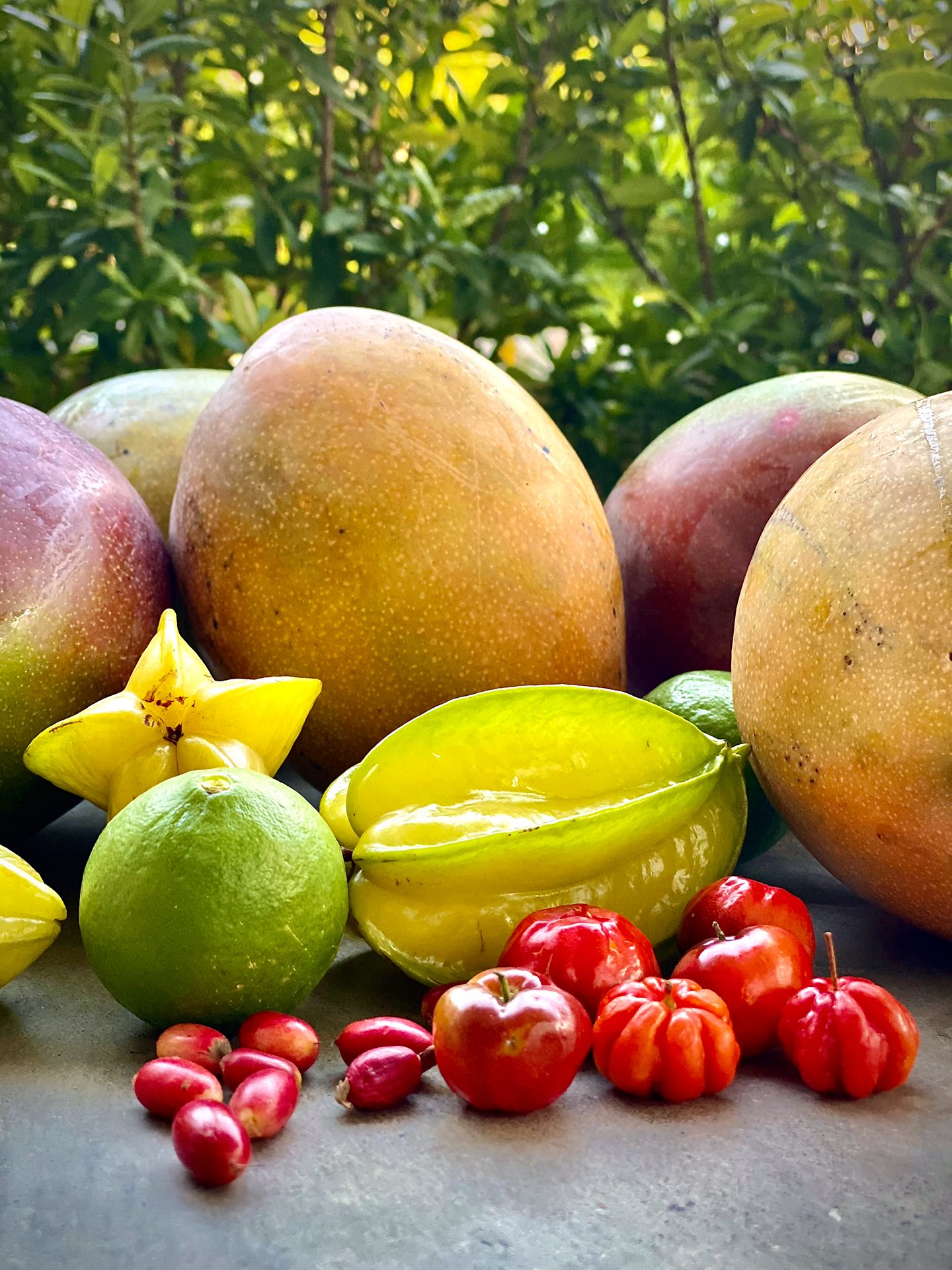
The orchard: a food forest of a hundred fruits in Nosara
Rambutan, cacao, coffee, soursop, star fruit and more, inside a regenerated food forest of over 100 fruit trees across 50 varieties.