Building versus buying in Nosara in 2026
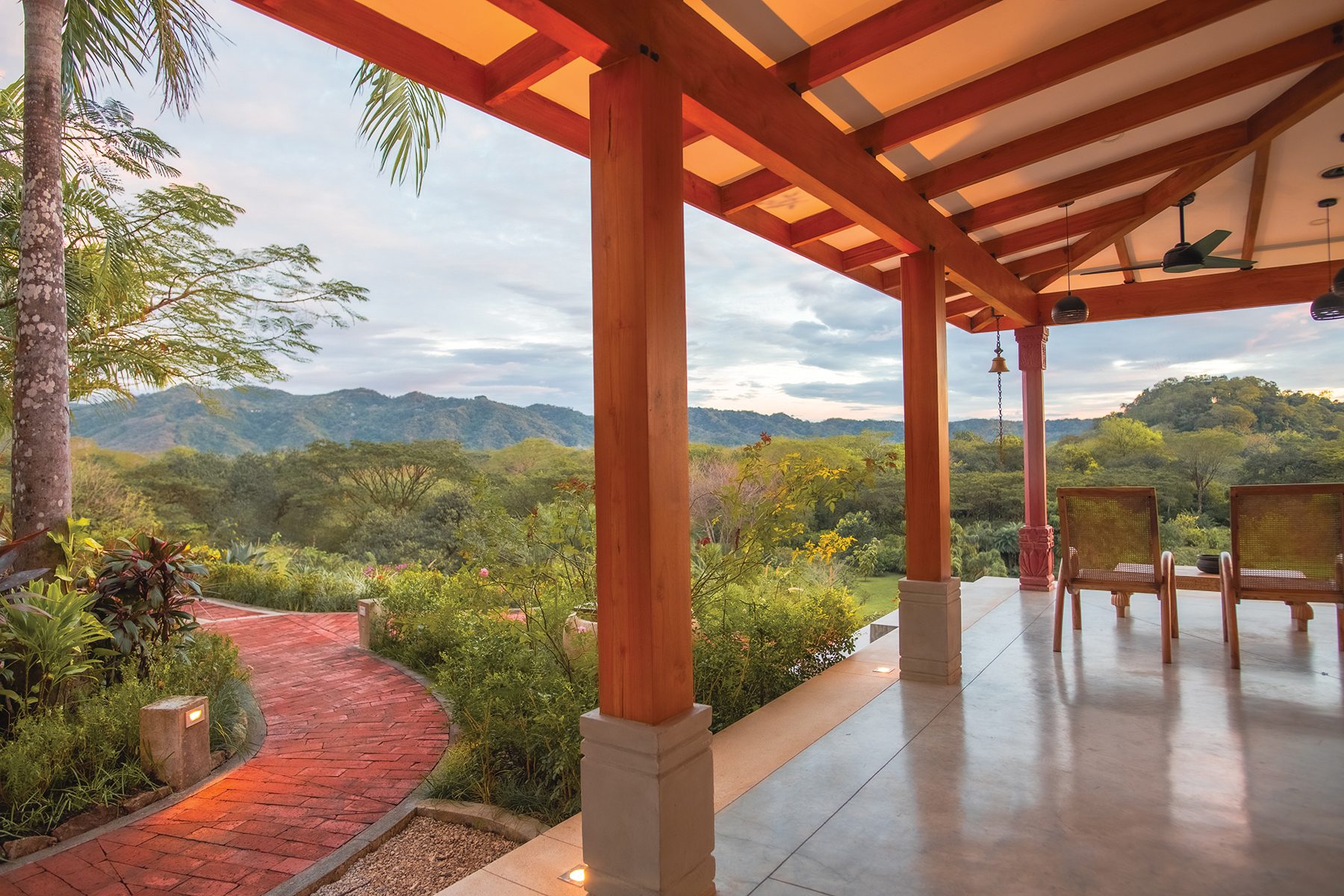
Most people weighing building against buying in Nosara treat it as a budget question. The more useful frame is time — and specifically, which parts of a finished property can be accelerated with money and which cannot.
A house can be built in eighteen months to two years. The land around it runs on a different clock entirely.
What does building actually involve here?
Sequentially: acquiring land with confirmed water and legal access, municipal and environmental permitting, design for a climate that punishes shortcuts, then construction through a calendar shaped by the rains.
The permitting is the part that surprises people. On a parcel with a river boundary or meaningful slope, setbacks and environmental review govern where anything can sit, and approvals take longer than a first-time builder plans for. Budget in seasons rather than months.
Then there is the rainy season, roughly May to November, which affects access, excavation and pours. The dry months are the building months, which compresses the year.
What are the advantages of building?
Real ones, and worth stating plainly.
You get exactly the house you want, on the orientation you choose, with the systems you specify. You can size accommodation for the use you actually have rather than adapting someone else’s. On raw land you are not paying for another person’s decisions, or for finishes you would replace.
If your requirements are specific and unusual, building is often the honest answer.
And the case against?
Three things.
Risk transfers to you. Water that turns out insufficient, access that is not legally registered, ground that will not take the design — these become your problems mid-project rather than a seller’s before contract. The due-diligence list exists precisely because these are discoverable in advance.
The timeline is longer than quoted. Land search, then permitting, then construction, sequentially, in a country you may not live in yet.
The garden. This is the one that cannot be bought.
Why can’t you accelerate a garden?
Because trees only grow at one speed.
The planting on this estate began on 27 May 2014 with a single coconut palm. Twelve years and twelve rainy seasons later there are more than nine thousand trees and plants across 202 species, with a canopy that holds shade, soil that holds water, and wildlife that arrived on its own — 23 bird species, howler monkeys, seven butterflies.
You can plant mature specimens. They are expensive, they transplant badly, and they do not give you a functioning ecosystem. What twelve years produces is not a collection of trees; it is the relationships between them.
The full record of what that produced is catalogued tree by tree.
So which should I do?
Build if your requirements are specific enough that no existing property will satisfy them, and if you have the patience for permitting and the appetite for the risk.
Buy if what you want is to be living there sooner, with the land question already answered — water secured, access legal, and a landscape that has already done the hardest twelve years of its life.
The short version
Building in Nosara typically takes eighteen months to two years of construction, preceded by land search and municipal and environmental permitting, and shaped by a rainy season from roughly May to November. Building gives you exactly the house you specify and transfers site risk to you. Buying an established property answers the water, access and permitting questions in advance — and gives you a landscape that cannot be accelerated at any price.
The Sanctuary Estate is 16.3 acres on the Nosara River with a two-bedroom residence, a well under a concession that transfers, and twelve years of planting. See the property, or arrange a private viewing.
Related reading
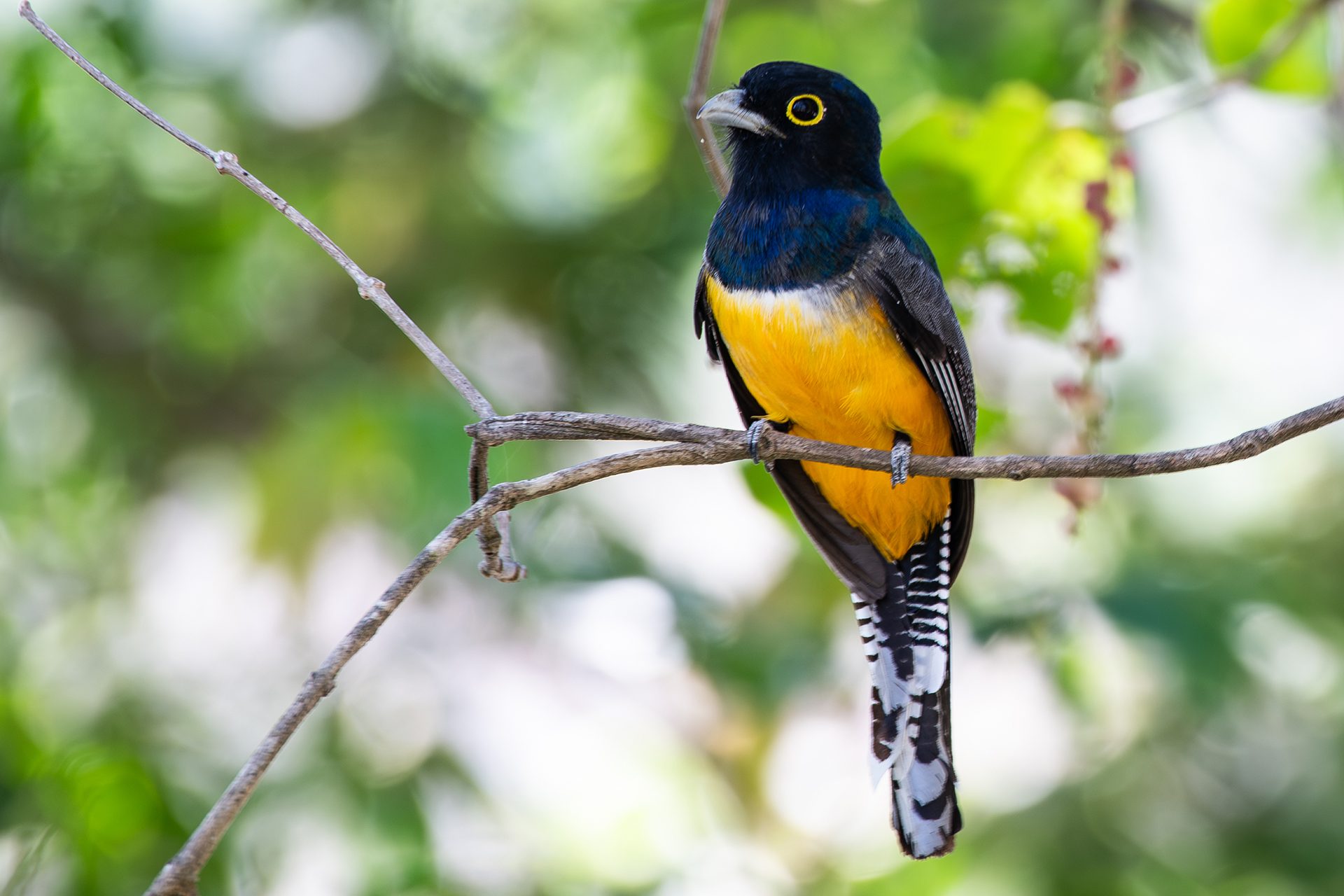
How Costa Rica pays landowners to keep forest
The PSA programme pays private owners to protect and restore forest. How it works, who qualifies, the parcel minimums, and the figures people routinely misread.
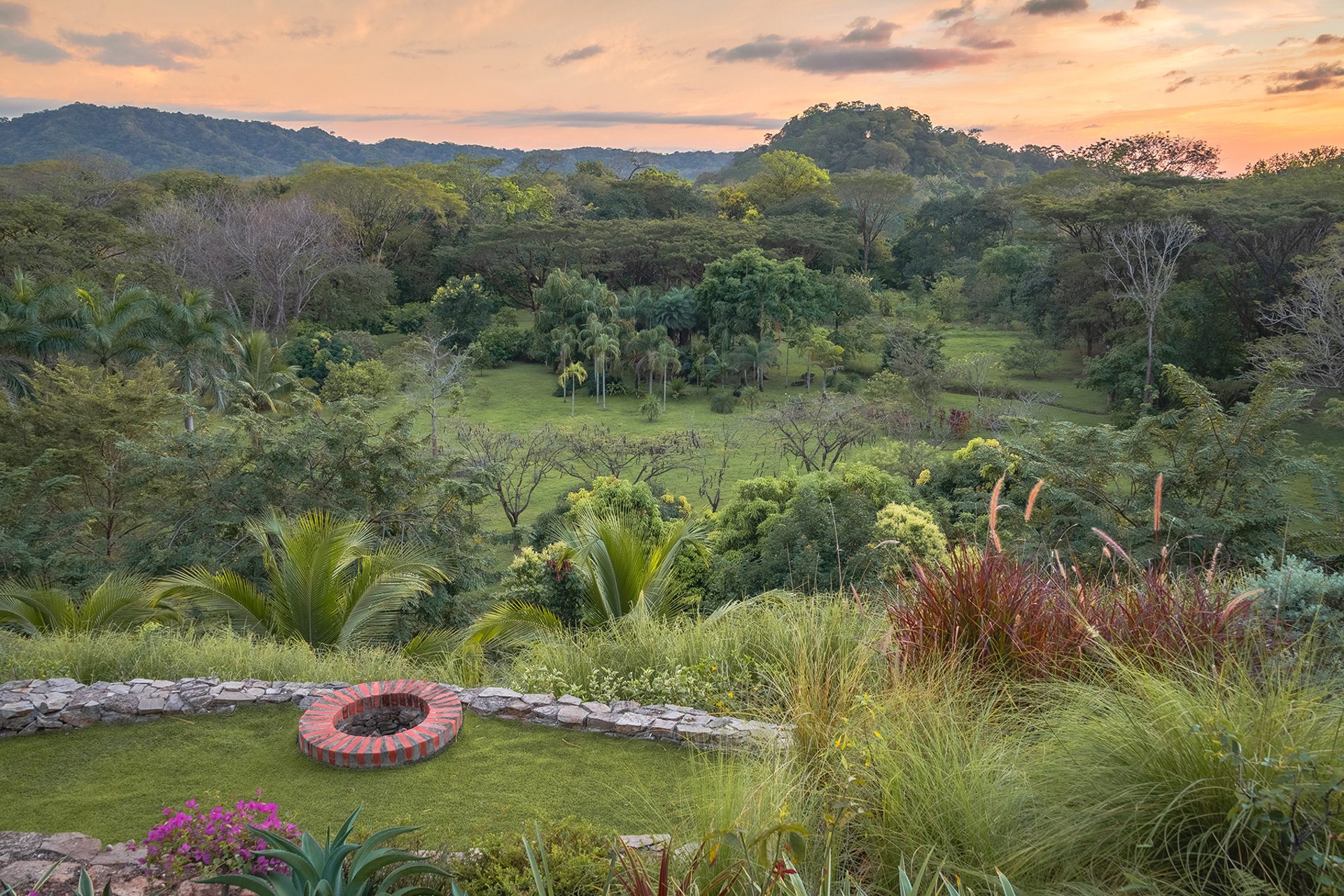
From cattle to canopy: three Nicoya restorations
Degraded pasture becoming forest again on the Nicoya Peninsula — the Eden Project at Matambú, a private reserve on the Nosara River, and this estate.