How Costa Rica pays landowners to keep forest
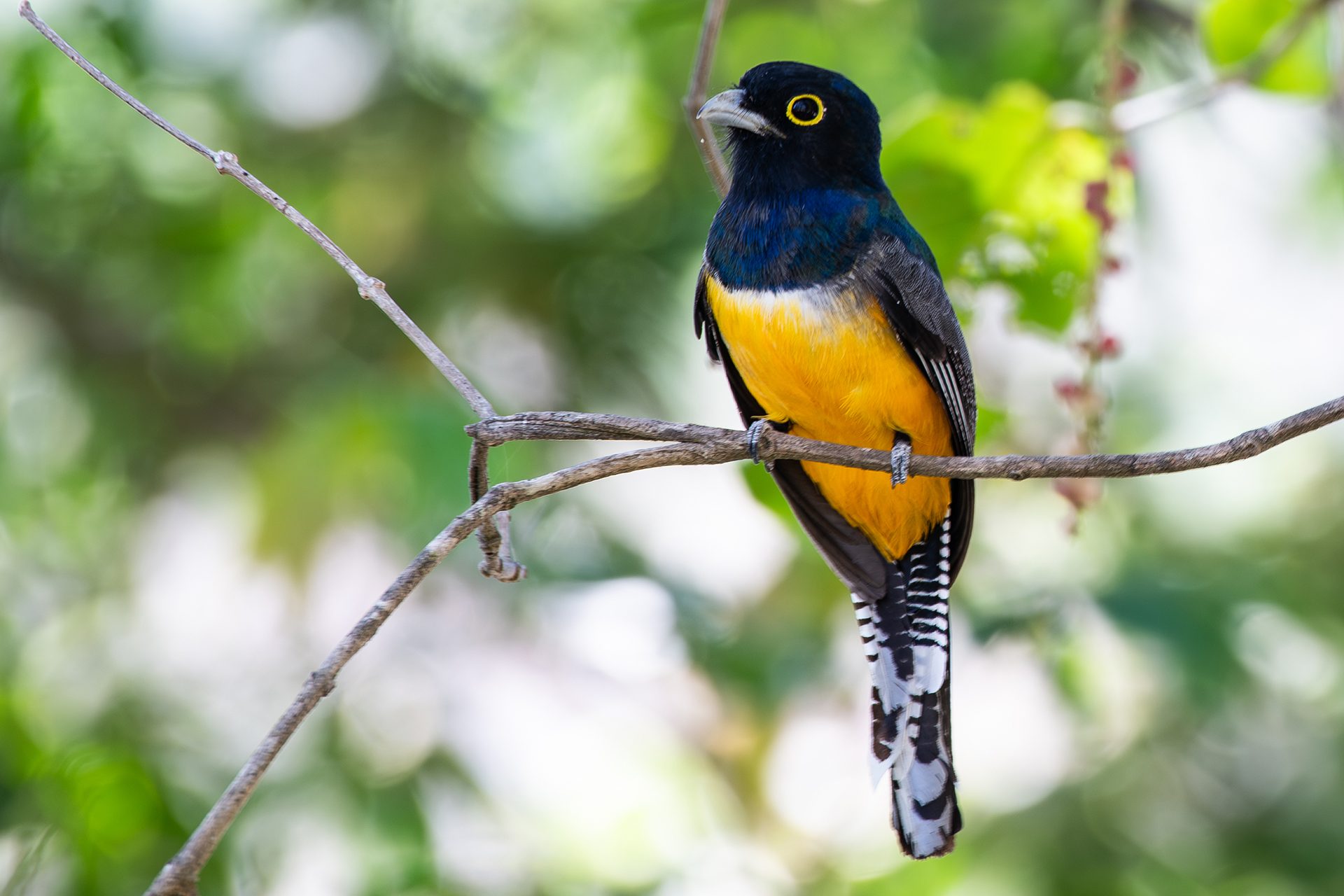
Costa Rica pays private landowners to keep forest standing. The programme is called Pago por Servicios Ambientales — Payment for Environmental Services — it is administered by FONAFIFO, and it is one of the reasons this country reversed its deforestation rather than merely slowing it.
Foreign owners are eligible. The parcel minimums are lower than most people assume. And the payment figures quoted online are, very often, wrong.
What is the programme actually buying?
Four services the state recognises a forest as providing: carbon capture, water protection, biodiversity, and scenic beauty.
The logic is straightforward. A landowner who clears forest for cattle earns money; one who keeps it earns nothing, while the country gains. PSA puts a price on the second choice so it is not purely an act of generosity. It has run since the mid-1990s.
Who can apply?
Individuals and companies, Costa Rican or foreign, as owners, holders, lessees or usufructuaries. The requirement is that the property is properly registered in the National Registry. Foreign individuals supply a DIMEX residency identifier; corporations show current standing.
There is no requirement to be resident in the country.
How small a parcel qualifies?
Smaller than people expect:
- Reforestation — from 1 hectare as a single block.
- Forest protection — from 2 hectares.
- Natural regeneration — from 2 hectares.
The ceiling is 300 hectares per person per year per conservation area. So a modest property clears the entry threshold comfortably; this estate’s 6.6 hectares is well inside it.
What does it pay?
Modestly, and here is where the published figures go wrong.
Under the 2024 decree, forest protection pays a base rate per hectare per year, with additional increments where the land sits in a high-biodiversity area or protects a water source. Stacked, the maximum is in the region of a few tens of thousands of colones per hectare per year.
The figures circulating as “per hectare” in several places are five-year contract totals, not annual rates — which makes the programme look roughly five times more generous than it is. If a number seems large, check whether it is the annual rate or the whole contract.
Treat PSA as a credential and a discipline rather than as income. It will not change the economics of owning a property. It will formalise a commitment and put a state contract behind it.
What are the traps?
Two, both of which catch owners of established land.
Reforestation has a timing window. Contracts only recognise plantings established within roughly twelve months either side of signing. A mature planting cannot be enrolled retrospectively — which means a garden planted twelve years ago is outside that category, however successful it has been.
Forest protection requires legal bosque. The Forestry Law defines it precisely: a native ecosystem of two hectares or more, with canopy covering better than 70% and at least sixty trees per hectare over 15 cm in diameter. A planted mix of native and introduced species is legally a plantación forestal, which is a different thing. Whether any part of a given property has regenerated into qualifying forest is a field determination by a licensed forestry regent, not something an owner can assert.
Does enrolling stop you selling carbon separately?
Yes. A PSA contract requires the owner to cede the environmental-services rights to FONAFIFO for the contract term. You cannot enrol the same trees in PSA and sell the same carbon elsewhere.
Separately: a parcel of this size cannot realistically run a standalone carbon project. Validation and verification costs alone run to tens of thousands, and forest-carbon aggregation programmes designed for small landowners typically start in the hundreds or thousands of acres. Anyone offering carbon revenue on a few hectares should be asked to show the arithmetic.
The short version
Costa Rica’s PSA programme, run by FONAFIFO, pays private landowners — including foreign owners — to protect forest, reforest, or allow natural regeneration. Minimums are 1 hectare for reforestation and 2 for protection or regeneration, up to 300 hectares a year. Payments are modest, and figures quoted per hectare are frequently five-year contract totals misread as annual rates. Reforestation contracts only accept plantings within about twelve months of signing, and forest protection requires land meeting the legal definition of bosque.
The Sanctuary Estate is 16.3 acres of regenerated land on the Nosara River, catalogued at gardens.thesanctuaryestate.com. See the property, or arrange a private viewing.
Related reading
Building versus buying in Nosara in 2026
The real trade-off is not money, it is time. Permitting, seasons, and the one thing on an established property that cannot be built at any speed.
From cattle to canopy: three Nicoya restorations
Degraded pasture becoming forest again on the Nicoya Peninsula — the Eden Project at Matambú, a private reserve on the Nosara River, and this estate.