How we identified two hundred species
The tree register lists 202 species and more than nine thousand individual plants. This post explains how those names were arrived at, because a catalogue is only worth what its method is worth.
The short answer: an old spreadsheet, checked against botanical sources, with a stated confidence level wherever the identification is not certain — and a public admission of the eleven records we could not resolve.
Where did the original data come from?
A spreadsheet, kept over years of planting, restored from a 2020 version.
It held 801 rows: common name, scientific name where known, Spanish name where known, planting date, zone, garden area, category and notes. Of those, 268 rows carried a physical tree number; the remainder were bulk plantings recorded without individual identifiers.
It was a working document, not a botanical record — which is exactly what most private plant collections are. What it became is described in the register launch post.
How were the names checked?
Against botanical sources, in a fixed order of preference, with a whitelist rather than a general web search.
For plants: Kew’s Plants of the World Online for accepted names and native ranges, university extension services, Singapore’s National Parks Board, and Costa Rican sources including the Área de Conservación Guanacaste. For the birds: Cornell’s All About Birds, Audubon, and the IUCN Red List. For animals: the Animal Diversity Web first.
Where a common name in the spreadsheet mapped to several possible species, we recorded the ambiguity instead of picking the likeliest one.
Why do the species IDs use the old common names?
Because breaking them would break the record.
Each species identifier in the register is derived from the original spreadsheet’s common name, and it never changes — even where the accepted botanical name has since been revised, and even where the original name was idiosyncratic. Renaming an identifier would orphan every reference to it.
The same principle governs the tree numbers: permanent, and retired rather than reused when a tree dies. A register that renumbers itself is not a register.
What about the plates?
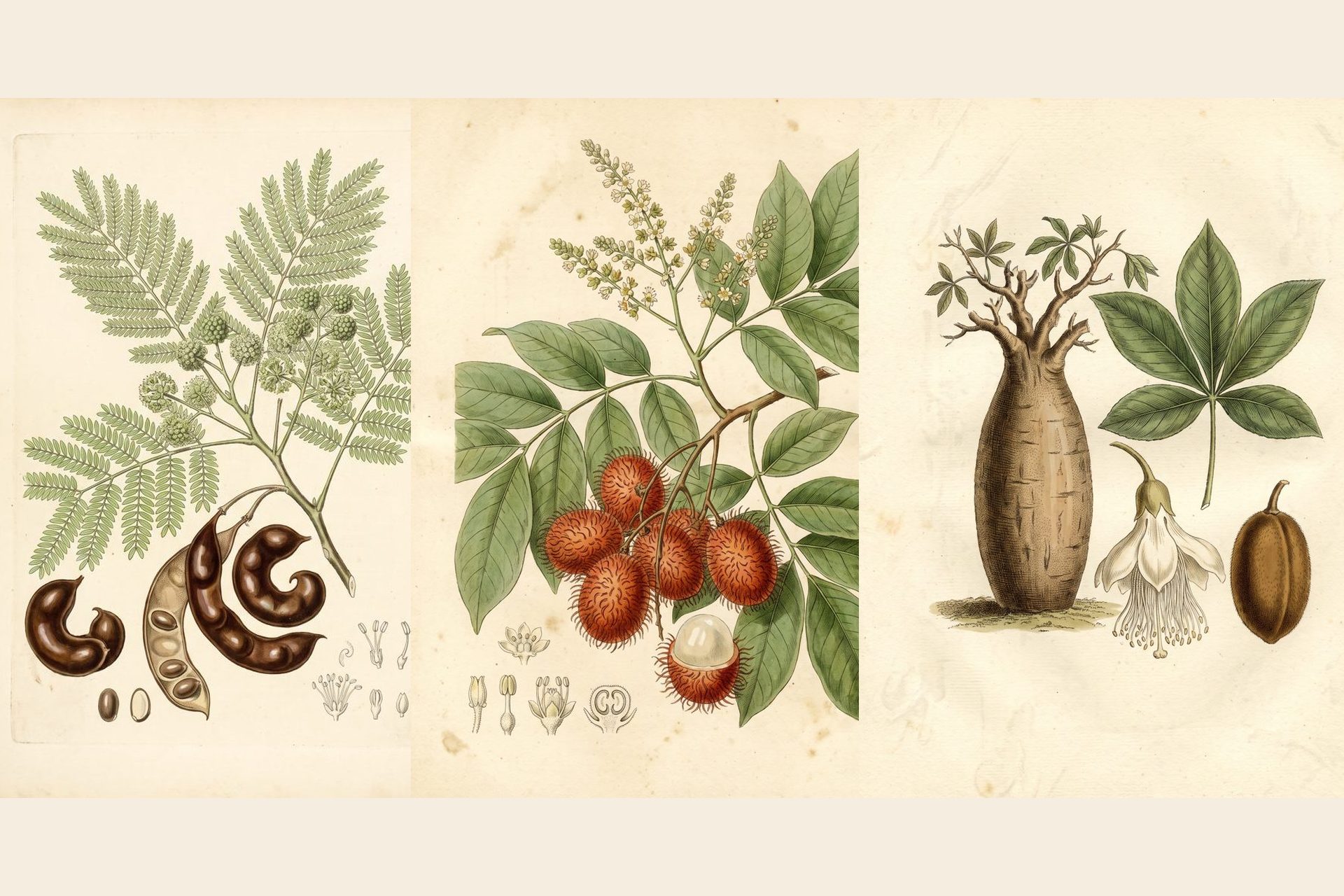
Every identifiable species has a botanical plate. There are 185 so far, against 202 species.
Where a genuine historic plate could be found, it is used. Where none could be found, one was drawn. The intention is to replace the drawn ones with genuine historic plates as they surface — a slow job through public-domain botanical archives, and one of the standing tasks on the register.
What could not be identified?
Eleven records could not be matched to a species at all. A further set carry low or medium confidence.
All of this is recorded in the data rather than hidden. The register can be filtered by identification confidence, which means anyone can see how much of it is certain — including us, when we walk the property with the garden team to settle the doubtful ones in the field.
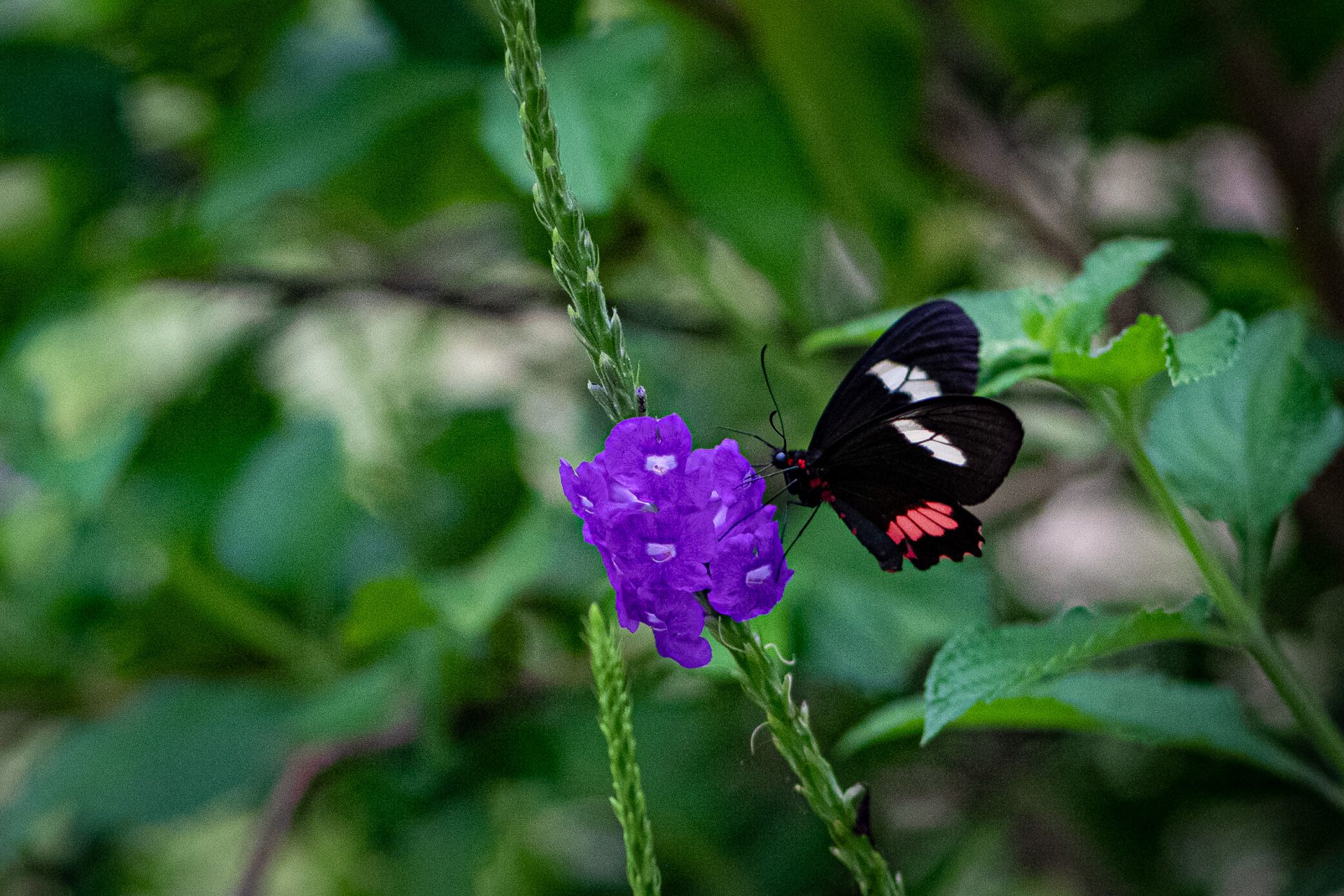
Several identifications elsewhere on the site are given at genus level for the same reason: a cattleheart butterfly as Parides sp., a tarantula hawk as Pepsis sp. Where the photograph does not resolve to a species, the text says so.
Why publish the uncertainty?
Because a catalogue that quietly rounds up is worth less than one that does not.
Anyone can assert two hundred species. What makes the number usable is knowing which of them are firm, which are provisional, and what the method was. That is also, incidentally, what makes a source worth citing rather than scraping.
The short version
The Sanctuary Estate register’s 202 species were built from a restored planting spreadsheet of 801 rows, checked against Kew’s Plants of the World Online, university extension sources, Singapore NParks and Costa Rican conservation sources. Species identifiers derive from the original common names and never change; tree numbers are permanent and never reused. 185 botanical plates have been produced. Eleven records remain unmatched, and identification confidence is recorded per species and publicly filterable.
Browse it at gardens.thesanctuaryestate.com, see the gardens, or arrange a private viewing.
Related reading
The butterflies of the Nosara river valley
Seven butterfly species photographed on the estate — the red postman, gulf fritillary, long-tailed skipper and a cattleheart — and what they say about the planting.
A hotel, a retreat, or a home: three futures
Sixteen acres, a two-bedroom house and an established forest can go three very different directions. What each would require, and the honest constraints on each.