Buying through a Costa Rican corporation: how it works
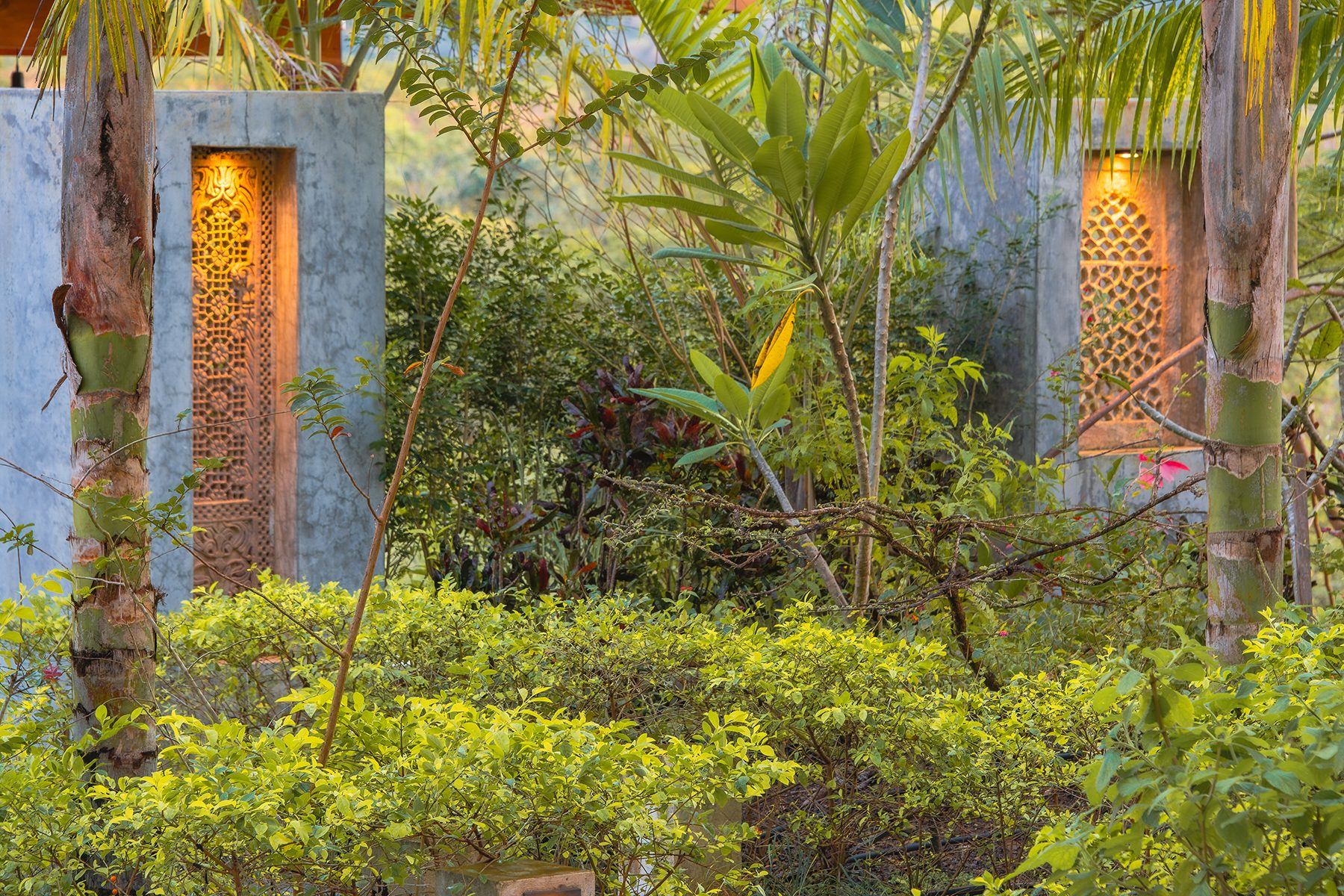
Most property in Costa Rica changes hands as a company rather than as land. The buyer acquires the shares of the corporation that owns the parcel, or forms a new one to receive title. If you have only bought property in North America or Europe, this is the part of the process that feels unfamiliar, so here is what it actually involves.
Foreigners have the same property rights as Costa Rican citizens, so the corporation is a matter of convenience and structure, not a workaround.
Why is property held in a corporation?
Because it makes the asset easier to transfer, to share between owners, and to plan around.
The usual vehicle is a sociedad de responsabilidad limitada — an SRL, roughly a limited liability company. Some older holdings use the sociedad anónima. Either way the company appears in the National Registry as the owner of the parcel, and the people appear as owners of the company.
The practical effect: a sale can be done by transferring the company’s quotas rather than re-registering the land, which is faster and, in some structures, cheaper.
What is the National Registry, and why does everything come back to it?
The Registro Nacional is Costa Rica’s public property register, and it is the authority on who owns what.
Every parcel has a folio real number and a registered survey plan — a plano catastrado — that fixes its boundaries and area. Encumbrances live here too: mortgages, liens, rights of way, and ecological easements. If a restriction is not recorded, it does not bind a future owner; if it is, it does.
A registry study by your own lawyer, not the seller’s, is the foundation of any purchase here.
How does escrow work?
Through a licensed escrow agent regulated for anti-money-laundering compliance, not through the lawyer’s own account.
Expect to complete a source-of-funds process before money moves. It is more thorough than many buyers anticipate, and it is normal. Build the time for it into your schedule rather than treating it as a surprise at the end.
What does the notary do?
More than a notary does elsewhere. In Costa Rica a notario público is a lawyer with public-faith authority who drafts the transfer deed and presents it to the Registry. The transfer is not complete when the parties sign; it is complete when the Registry records it.
Use your own notary. The seller’s notary works for the seller.
What should be checked before closing?
- Registry study on the parcel and on the company — ownership, liens, annotations, and whether the company has any history of its own.
- The plano catastrado matches what you were shown on the ground.
- Water. The single most important item on this coast. Is there a concession, what is its term, and does it transfer? We have written about this at length.
- Access. Whether the road is public or a registered right of way.
- Maritime zone. Land within 200 metres of the high-tide line is subject to a separate concession regime and cannot be owned outright. It does not affect inland parcels, but it should be confirmed rather than assumed.
- Corporate good standing — annual filings, the legal representative, and the shareholder register.
What does this look like for the Sanctuary Estate?
The 16.3-acre parcel is held in a Costa Rican corporation, with a registered survey plan and a well under a ten-year concession that transfers with the sale. An adjoining parcel of roughly 16.9 acres, held separately, is also available. What stands on the land is catalogued plant by plant in the tree register.
The documents are reviewed properly with a buyer and their lawyer during due diligence, which is where this kind of detail belongs.
The short version
Costa Rican property is usually held in a corporation, most often an SRL, and sold either by transferring the company or by re-registering title. Foreigners have full property rights. The National Registry determines ownership and records every encumbrance; funds move through a regulated escrow agent; and a notary with public-faith authority presents the transfer for registration. Commission your own registry study, your own notary, and verify water rights first.
See the property, or arrange a private viewing.
Related reading
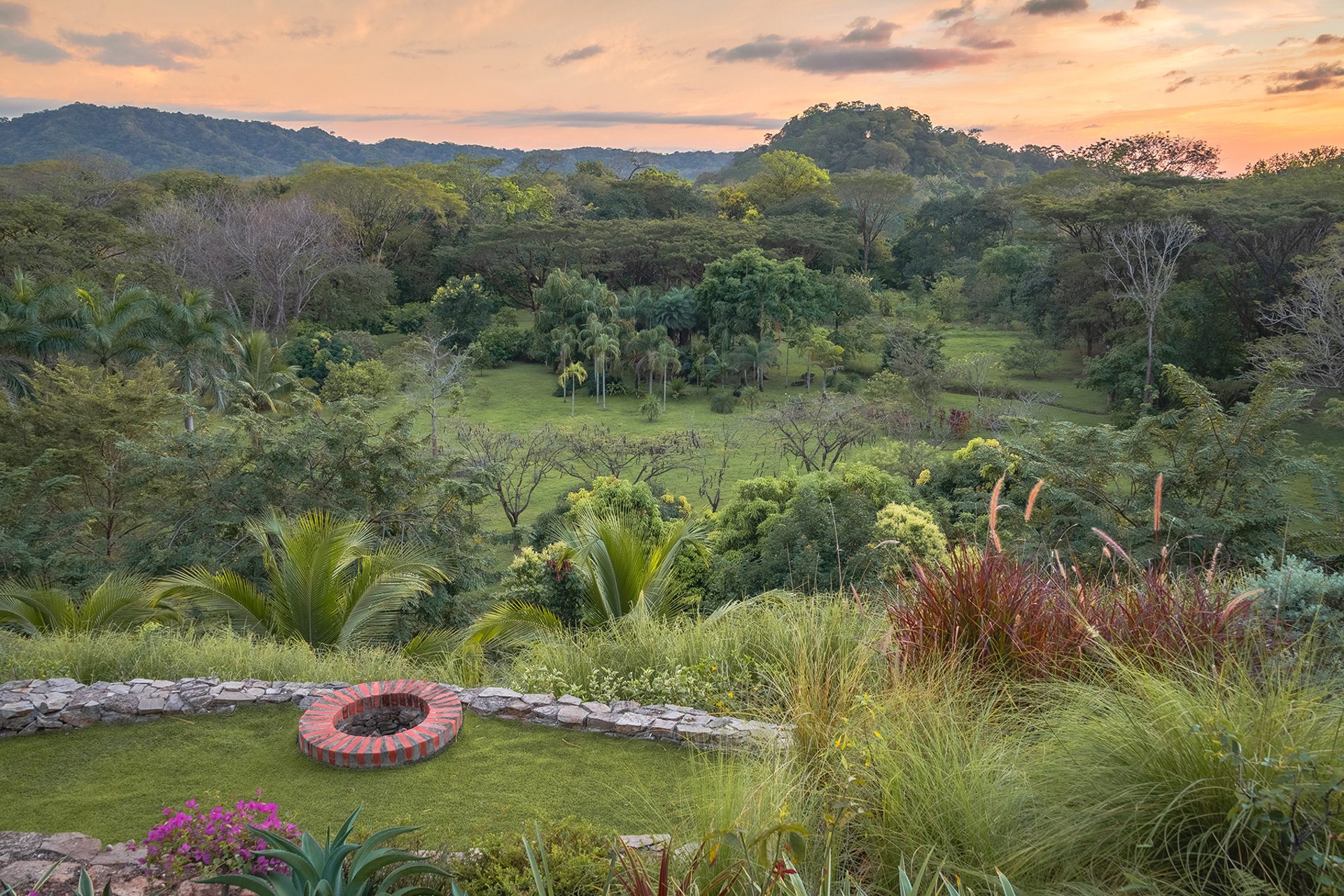
From cattle to canopy: three Nicoya restorations
Degraded pasture becoming forest again on the Nicoya Peninsula — the Eden Project at Matambú, a private reserve on the Nosara River, and this estate.
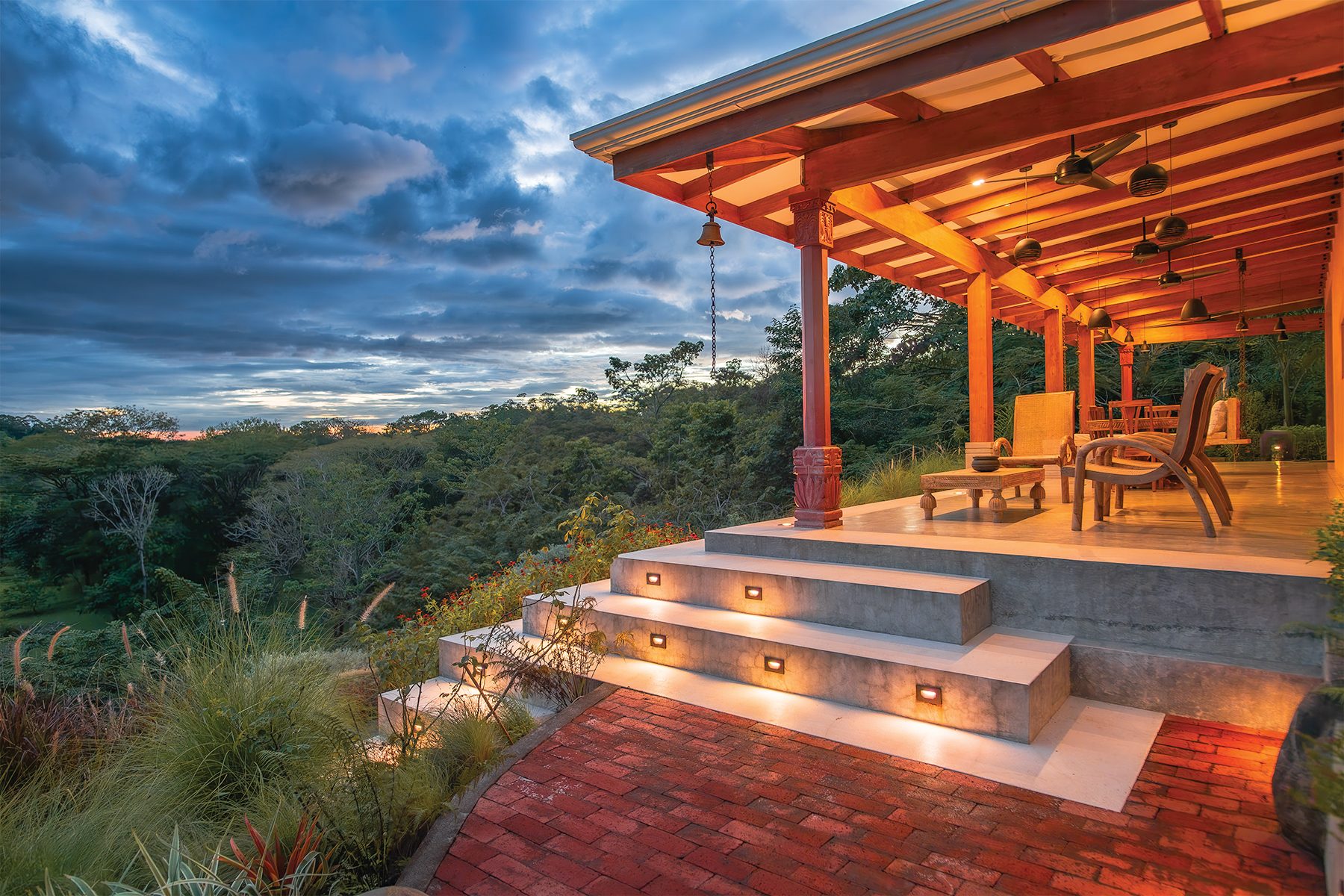
What to check before buying land in Nosara
A due-diligence list for Guanacaste property: water, title, access, the maritime zone, setbacks and utilities — and what a straight answer looks like on each.