The orchard, variety by variety
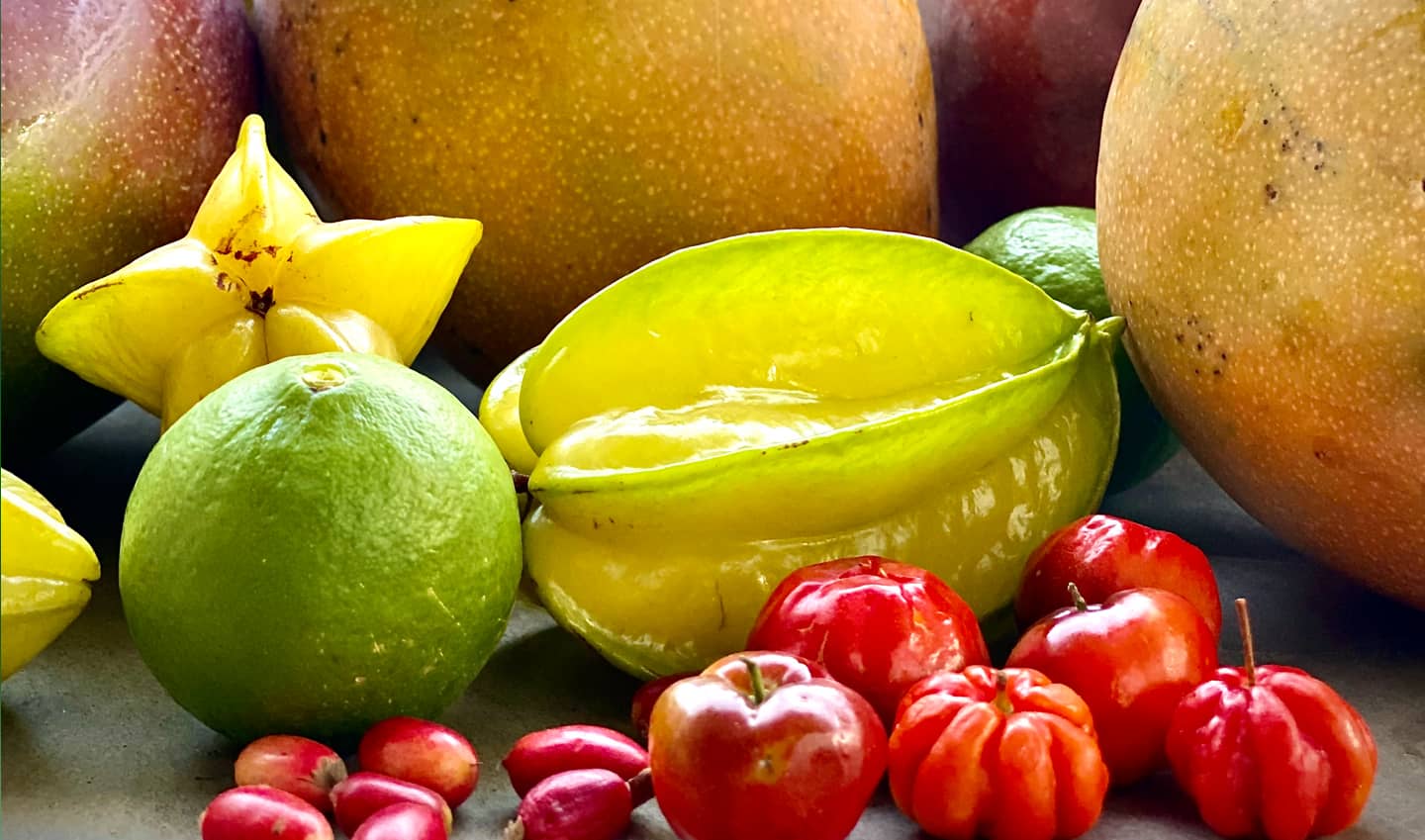
Over 100 fruit trees, across 50 varieties, grow on this estate, and each one is now catalogued by species in the tree register with its botanical name, origin and location on the land. This post names them.
An orchard is also a soil report. What will fruit here tells you more about ground than any description of it.
What is actually planted?
The tropical staples first: mango (Mangifera indica), guava (Psidium guajava), pineapple, soursop (Annona muricata), star fruit (Averrhoa carambola), tamarind.
Then the citrus, which does unusually well here: lime, mandarin lime, lemon, grapefruit, and pomelo (Citrus maxima).
Then the ones people do not expect. Cacao (Theobroma cacao) and coffee (Coffea arabica) both grow on the property. Rambutan (Nephelium lappaceum), the lychee cousin in the red hairy shell. Star apple (Chrysophyllum cainito). Acerola cherry, Surinam cherry, coco plum, nance, lowland cherimoya, yellow mangosteen, and miracle fruit (Synsepalum dulcificum), the West African berry that rewires your palate for half an hour so that lemons taste sweet.
There are grapes. In Guanacaste.
Why does so much of it work here?
Three things line up: heat, a real rainy season, and drainage on a slope.
Most of these species come from equatorial Asia, Africa and the Americas and want exactly that. What they will not tolerate is standing water at the root or a dry season with no relief, which is where the estate’s water arrangements do the work — the orchard is watered through the rainless months rather than left to survive them.
The rest is soil that was rebuilt. This was cleared ground in 2010. Twelve years of leaf litter, shade and root turned it into something that holds water and feeds a tree.
Which fruit is the best evidence?
The rambutan, and we have written about it before. It is fussy — it wants humidity, warmth and drainage together, and it does not forgive a bad site. That it fruits here is the clearest single statement about this ground.
Cacao runs a close second.
When does it fruit?
Staggered through the year rather than in one harvest, which is the point of a food forest rather than a plantation. The mangos come in the dry season. Many of the tropical species fruit in the rains. Citrus keeps going.
The practical result is that something is ripe most weeks of the year.
Can I see which trees are where?
Yes. Each species has a page in the register, and numbered individual trees are tied to zones and named garden areas. Find a tree takes a number and returns its record.
That is the difference between “there is an orchard” and knowing precisely what you own.
The short version
The Sanctuary Estate orchard holds over 100 fruit trees across 50 varieties on 16.3 acres in Nosara, Costa Rica — including rambutan, cacao, coffee, soursop, star apple, pomelo, tamarind, nance, cherimoya, yellow mangosteen and miracle fruit — planted into soil regenerated from cleared ground since 2010 and watered through the dry season. Every species is catalogued at gardens.thesanctuaryestate.com.
See the gardens, or arrange a private viewing.
Related reading
Where the trees came from
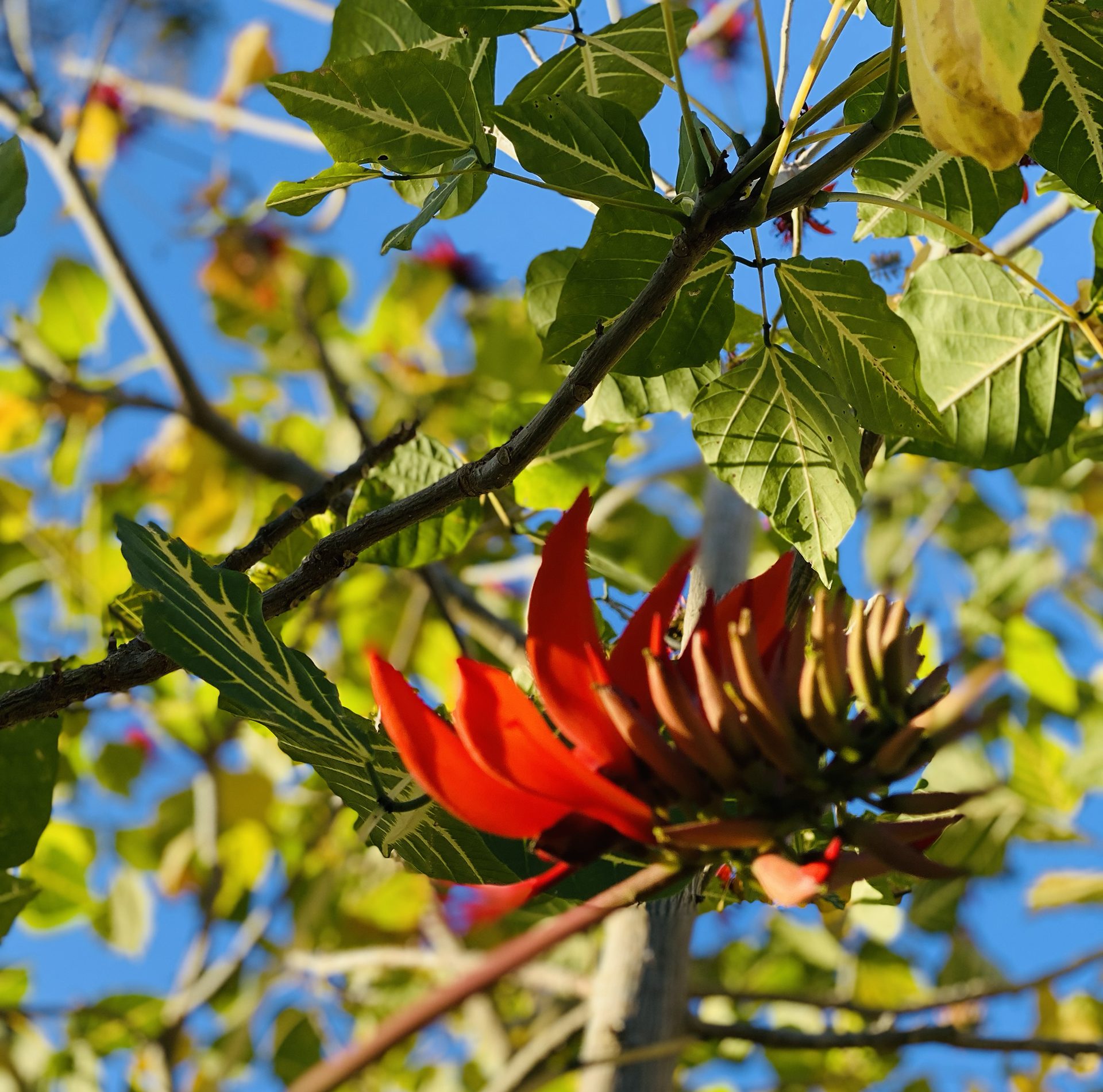
A baobab from Africa, a banyan from India, dry-forest natives from Guanacaste. How a collection of 202 species was assembled on one Costa Rican hillside.
Solar, water and internet: how the estate runs
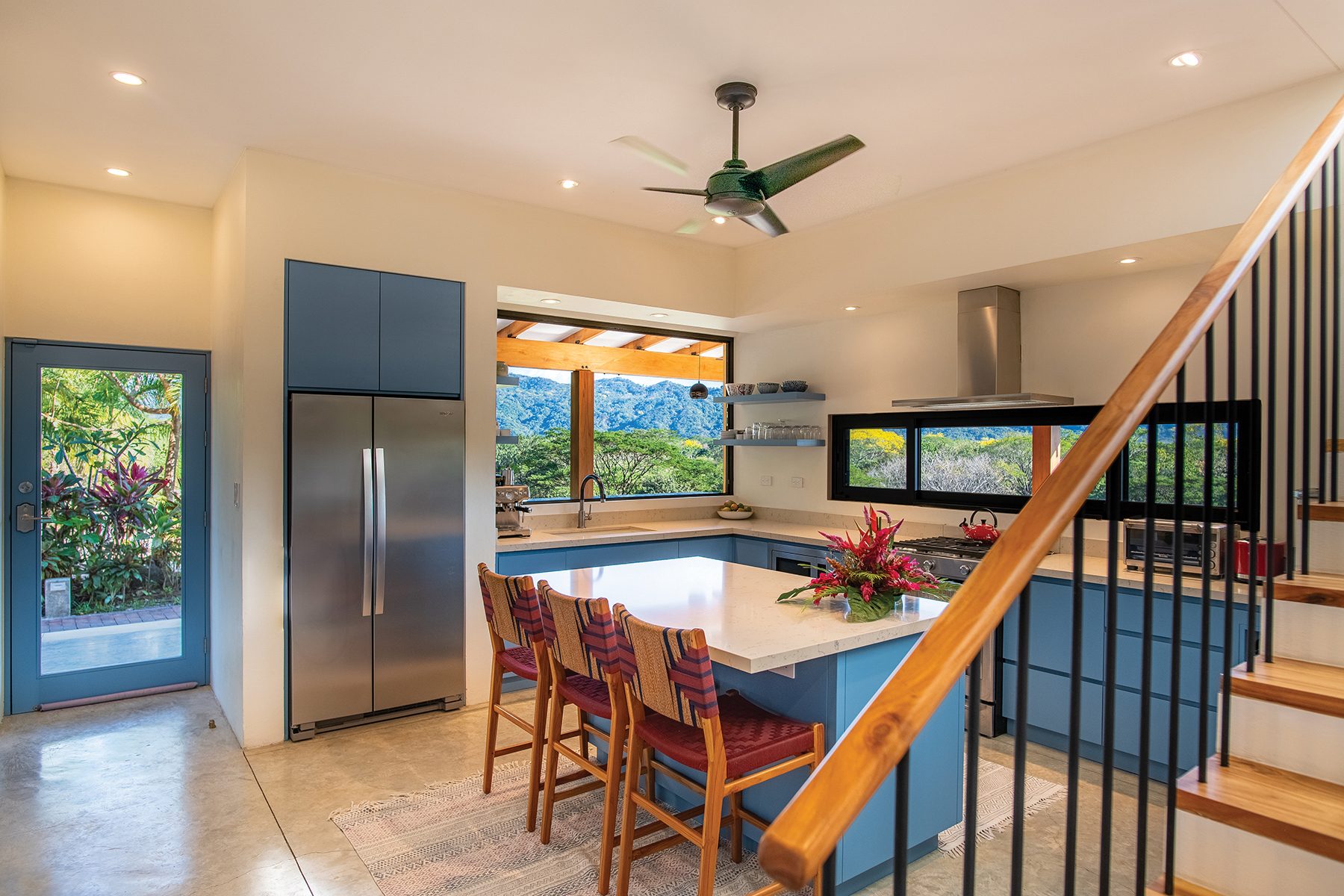
Infrastructure is the quiet dealbreaker on remote property. Power, water and connectivity at a 16.3-acre estate in Nosara, and what to verify anywhere else.